|
|
CATEGORIES
|
|
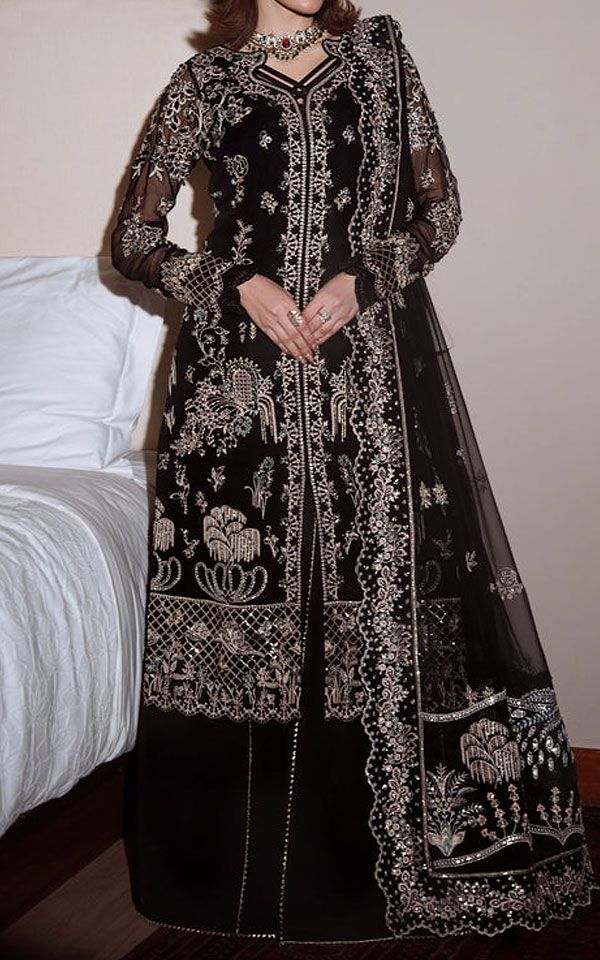
There is something undeniably magnetic about the way a chiffon dupatta catches the light. It floats. It shimmers. It tells a story that goes far beyond the fabric itself. For generations, Pakistani women have wrapped themselves in chiffon as a second skin, treating it not just as a textile but as a cultural expression. Today, that expression has traveled far beyond the borders of South Asia, landing softly in the boutiques of London, the wedding halls of Houston, and the formal dinner tables of Toronto. The journey of Pakistani chiffon from the busy markets of Anarkali Bazaar in Lahore to the cosmopolitan closets of diaspora women worldwide is one of the most quietly powerful stories in global fashion. It is not a story driven by celebrity endorsements or runway spectacles. It is driven by something far more personal: a community of women who refused to leave their elegance behind when they crossed oceans. The Fabric That Carries a CultureChiffon is a deceptively simple fabric. It is lightweight, semi-sheer, and woven from tightly twisted yarns that give it a slightly rough texture despite its delicate appearance. But in the hands of Pakistani craftsmen and designers, chiffon becomes something entirely different. It becomes the canvas for intricate embroidery, detailed threadwork, and mirror embellishments that take skilled artisans weeks or even months to complete. In Pakistan, chiffon has long held a special place in the wardrobe of anyone attending a formal occasion. Whether it is a wedding, an engagement party, an Eid gathering, or a mehndi celebration, chiffon suits and dresses consistently dominate the fashion landscape. The fabric drapes beautifully on different body types. It moves with the wearer. It breathes in the heat of a packed wedding hall. And when you layer it with hand-stitched embroidery in gold, silver, or jewel tones, it becomes genuinely breathtaking. Lahore, in particular, has long been the cultural heart of this tradition. The city's designers have an innate understanding of what women want when they dress for a celebration. They understand proportion. They understand color. And they understand how to blend classical craft with a modern silhouette. It is this Lahore sensibility, refined over decades, that now travels internationally through the growing world of Pakistani Chiffon Dresses online.
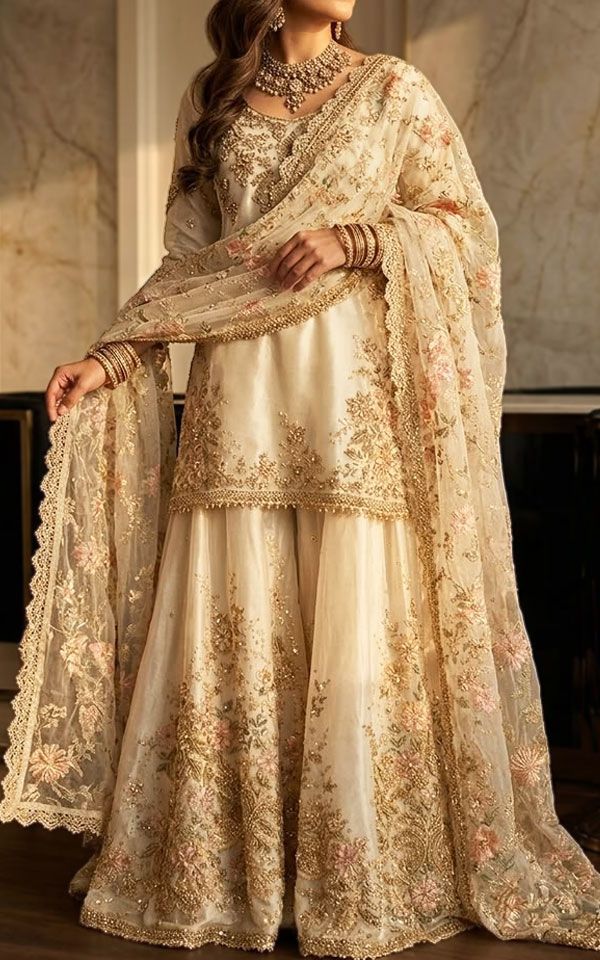
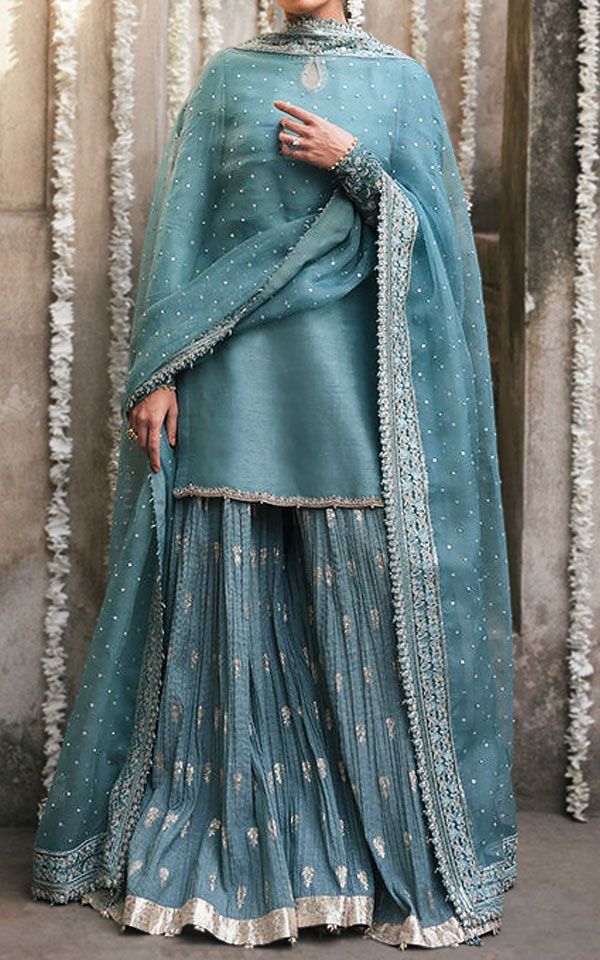
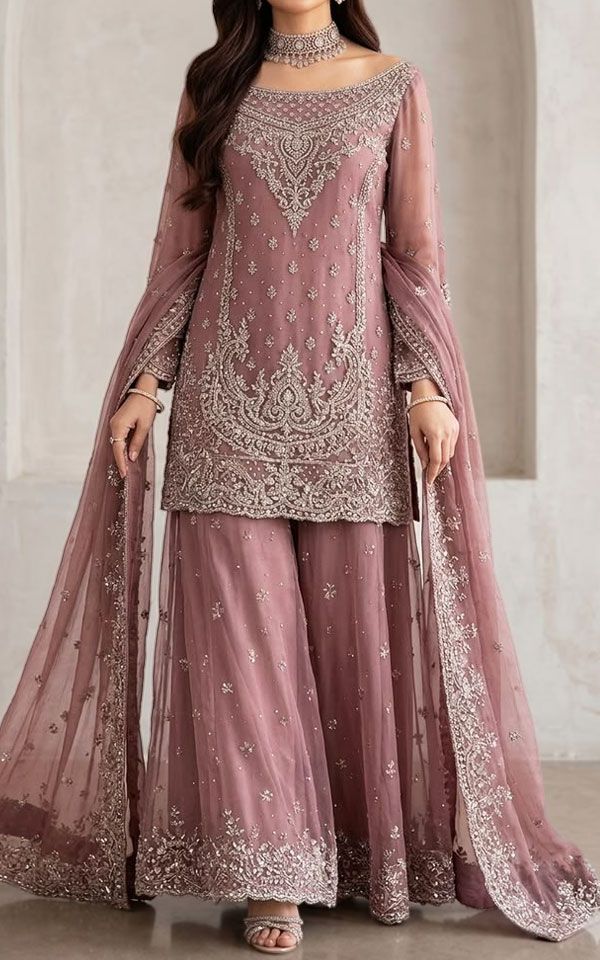
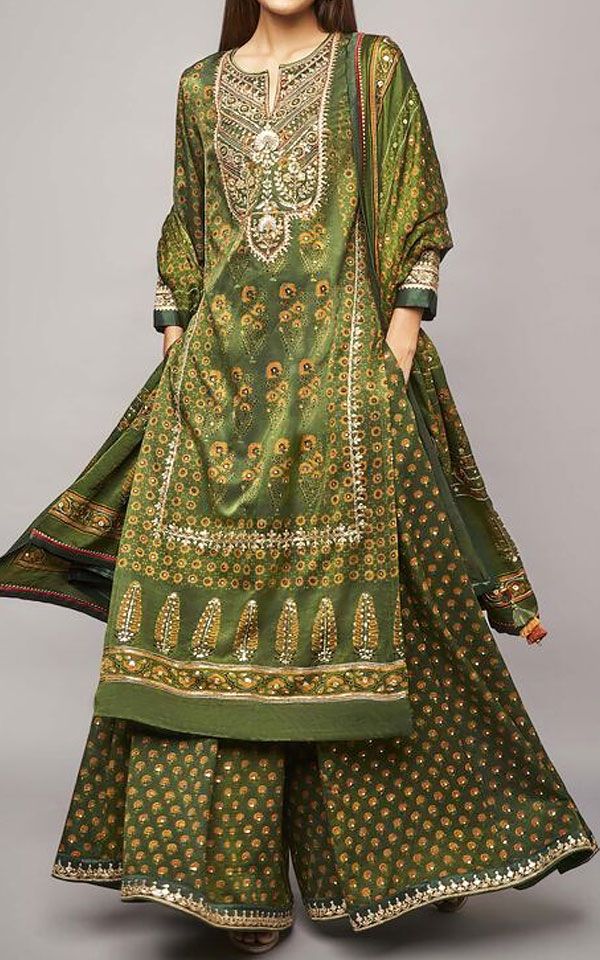
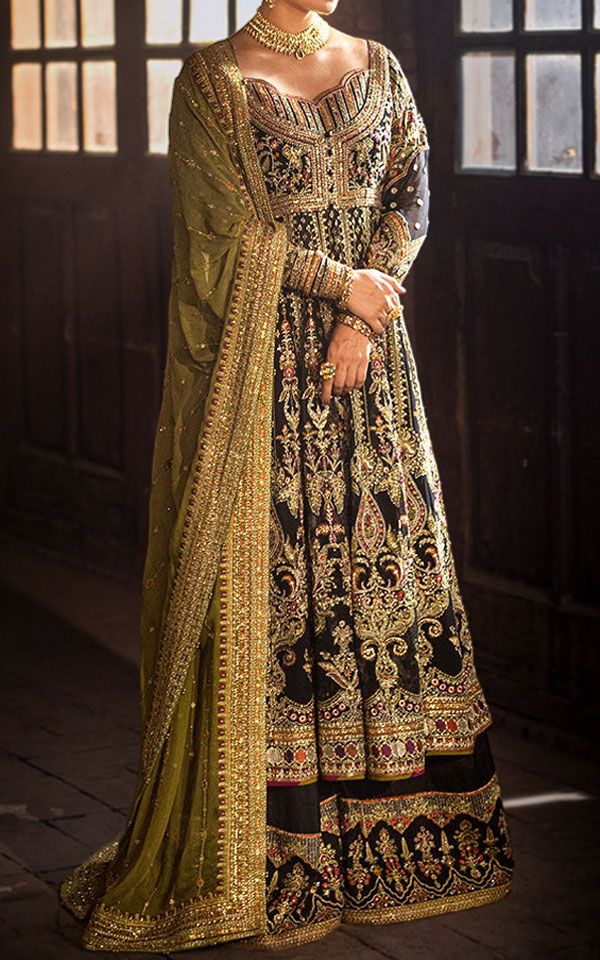
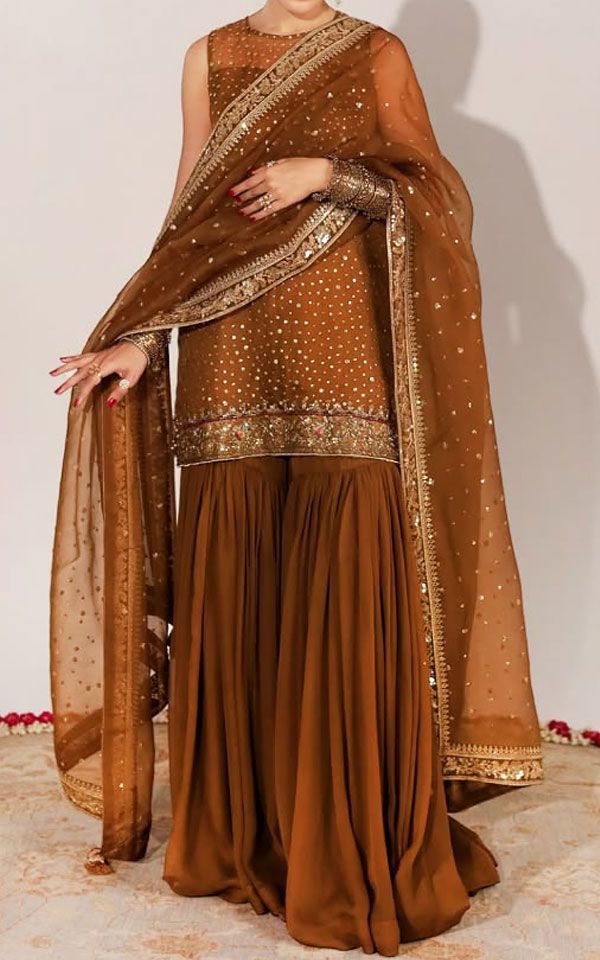
Why the Diaspora Fell in Love with Chiffon All Over AgainFor Pakistani and South Asian women living in the United Kingdom or the United States, formal dressing presents a unique and deeply personal challenge. Western formalwear rarely speaks to their aesthetic instincts. A black gown, however elegant, does not carry the same emotional weight as a mint green chiffon gharara with silver tilla embroidery. A Western cocktail dress cannot replicate the feeling of wearing something that connects you to your roots, your family, your identity. This is the gap that Pakistani party wear dresses have stepped into with remarkable confidence. Over the past decade, there has been an enormous surge in demand for Pakistani Chiffon Dresses in USA, particularly among second-generation Pakistani-Americans who grew up watching their mothers wear these outfits at every celebration and now want the same for themselves. They want the elegance without compromising on contemporary tailoring. They want the craftsmanship without sacrificing the fit. The same story plays out in the United Kingdom. Cities like Birmingham, Manchester, Bradford, and London have significant South Asian communities, and within those communities, the appetite for high-quality Pakistani formalwear has never been stronger. Women are no longer limited to what the local boutique stocks. They are shopping globally. They are buying directly from designers in Lahore and Karachi. They are browsing Pakistani Party dresses online in USA and having outfits delivered to their doors in time for a cousin's wedding in New Jersey. This shift did not happen overnight. It happened gradually, powered by the rise of e-commerce, the explosion of Instagram and Pinterest as visual discovery tools, and a generation of diaspora entrepreneurs who saw the gap and built businesses to fill it. The Design Language of Pakistani Chiffon Party DressesWhat makes a Pakistani chiffon dress unmistakably itself? It comes down to several defining design choices that set it apart from any other formal tradition. Embroidery as the CenterpiecePakistani chiffon party dresses are built around their embroidery. This is not decorative stitching in the Western sense. It is an art form. Craftsmen in cities like Lahore, Faisalabad, and Multan spend years mastering techniques like zardozi, dabka, and kora work. Zardozi involves stitching with metallic threads to create raised, three-dimensional patterns. Dabka uses twisted wire to form intricate geometric designs. Kora embroidery incorporates fine gold or silver threads woven into floral and geometric motifs. When you see a chiffon suit covered in this kind of work, you understand immediately why it commands the price it does. This is not mass production. This is handmade luxury, born from a tradition that stretches back centuries. Color Stories That Dare to Be BoldPakistani fashion embraces color in a way that few other formal traditions do. Deep fuchsias, emerald greens, cobalt blues, burnt oranges, and rich maroons all have their place alongside softer pastels and classic neutrals. The color combinations in Pakistani chiffon suits often surprise Western audiences. Pairing a dusty rose with gold embroidery might sound conservative, but in execution it creates something that feels simultaneously traditional and completely modern. Designers from Lahore often use color as a storytelling device. A particular shade of teal might reference a Mughal Garden painting. A deep indigo might pay homage to the hand-block printing traditions of rural Punjab. Every collection tells you something about where it comes from. Silhouettes That Celebrate the Human FormPakistani chiffon party dresses come in a range of silhouettes, from the classic straight-cut kurta paired with wide-leg trousers to the more dramatic pishwas, ghararas, and sharara styles. The gharara, with its billowing trousers that flare dramatically from the knee, has made a huge comeback in recent years. It photographs beautifully, it moves with extraordinary grace, and it works on almost every body type. The Anarkali silhouette, a flared tunic that falls to the ankles, remains one of the most popular choices for formal occasions. Its origins trace back to the Mughal courts, and yet contemporary designers constantly reinvent it with modern cuts, unexpected necklines, and embroidery placements that feel fresh rather than historical.
Shopping for Pakistani Chiffon in the Digital AgeThe transformation of how diaspora communities’ access Pakistani fashion deserves its own discussion. Not long ago, purchasing a proper Pakistani formal outfit from abroad meant one of two things: you either visited Pakistan yourself and shopped in the markets and boutiques there, or you asked a relative to carry something back for you in a suitcase. Both options had obvious limitations. Today, the landscape looks completely different. A woman in Chicago can browse Pakistani Chiffon Suits online shopping from dozens of reputable retailers, compare prices and embroidery quality, read customer reviews from other diaspora buyers, and place an order that arrives within ten to fourteen business days. The process is straightforward, and the selection is genuinely impressive. The growth of Pakistani Party dresses online in USA has opened up access in ways that feel almost revolutionary to anyone who remembers the pre-internet era of shopping. You no longer need to live near a specialty South Asian clothing district. You no longer need a family member flying in from Karachi. You simply open a browser, search for what you need, and find it. This ease of access has also raised the bar for quality. When customers can easily compare products from multiple vendors and leave public reviews, sellers have strong incentives to deliver exactly what they promise. High-resolution photography, detailed fabric descriptions, size guides, and customer service teams that understand the specific needs of diaspora buyers have all become standard expectations rather than pleasant surprises. From Party Dresses to Power Dressing: The Expanding Role of ChiffonOne of the most interesting shifts in how Pakistani chiffon is being worn internationally involves its move into spaces beyond traditional celebrations. For many years, online Pakistani formal dresses were almost exclusively reserved for weddings and religious festivals. But the diaspora has quietly expanded that definition. Pakistani women in professional fields increasingly wear semi-formal chiffon suits to work events, charity galas, award ceremonies, and corporate dinners. A well-tailored chiffon suit with moderate embellishment hits a sweet spot that Western professional dress often misses: it looks appropriately formal and yet it feels distinctly personal. It announces identity rather than erasing it. This expansion has pushed designers to create capsule lines that sit between the heavily embellished bridal category and the casual everyday kurta. These mid-tier pieces, often featuring lighter embroidery on premium fabric, have become some of the fastest-moving items in the world of Pakistani formal dresses online. They answer a genuine need: something beautiful enough to turn heads, but understated enough to wear to events that are not strictly celebratory. The London Factor: How Britain Shaped Pakistani Fashion AbroadLondon deserves special attention in any conversation about Pakistani chiffon traveling internationally. The United Kingdom has one of the largest Pakistani diaspora communities outside South Asia, and that community has had a profound influence on how Pakistani fashion develops and markets itself for international audiences. British-Pakistani designers and retailers were among the first to understand that diaspora buyers wanted something slightly different from what the Lahore boutiques offered. They wanted familiar fabrics and traditional craftsmanship, but in cuts that worked for the British climate, the British body, and the British social calendar. A heavily embellished chiffon suit designed for a midsummer outdoor wedding in Lahore needs some rethinking for a December celebration in Birmingham. This practical thinking led to some genuinely creative design innovations. Lined chiffon suits with warmer inner layers. Chiffon jackets worn over simpler kameez styles. Three-piece outfits that offered more layering options. The London Pakistani fashion scene essentially created a new hybrid aesthetic that honored the craft traditions of South Asia while addressing the realities of life in Northern Europe. That hybrid aesthetic has since influenced designers back in Pakistan, who now produce specific collections with international buyers in mind. When you browse Pakistani Chiffon Dresses online from a reputable retailer today, you will often find collections labeled specifically for international markets, featuring measurements calibrated for Western sizing standards and fabrics selected for their year-round wearability. What to Look for When Buying Pakistani Chiffon OnlineFor anyone new to shopping for Pakistani formal wear online, the range of options can feel both exciting and overwhelming. A few guiding principles make the process significantly easier. Fabric Quality FirstNot all chiffon is equal. Pure silk chiffon sits at the top of the hierarchy. It drapes magnificently, feels luxurious against the skin, and holds embroidery well. Below that, you find high-quality georgette, which is slightly heavier and more structured. Poly chiffon is the most widely available and most affordable option, and while it can look beautiful in photographs, it does not wear the same way. When reading product descriptions on any Pakistani Chiffon Suits online shopping platform, pay close attention to fabric composition statements.
Embroidery Detail and PlacementLook at embroidery close-ups carefully. Good embroidery has consistent tension throughout the stitching, clean edges on motifs, and appropriate density for the garment's intended occasion. If a product description mentions hand embroidery, look for slight irregularities in the pattern, which are actually a sign of authenticity rather than a flaw. Machine embroidery tends to look identical and overly uniform. Reliable Sizing InformationSizing inconsistency is one of the most common complaints among international buyers. Pakistani sizing does not always map neatly onto Western sizing standards. Always check the specific measurements provided rather than relying on labeled sizes. Most reputable sellers now provide chest, waist, hip, and length measurements in both inches and centimeters. When in doubt, size up rather than down, as taking in a garment is far easier than letting it out. Return and Exchange PoliciesInternational purchases come with extra complications if something goes wrong. Before buying, read the return and exchange policy carefully. Understand who bears the cost of return shipping and whether alterations requested at the time of purchase carry any guarantees. Pakistani Formal Dresses as a Cultural StatementBeyond the practical questions of fabric and fit, Pakistani formal dresses carry meaning that goes deeper than aesthetics. For diaspora women, wearing a beautifully crafted chiffon suit to a formal event is an act of cultural affirmation. It says: I belong here, and I carry my heritage with me. I do not need to choose between who I am and where I am. This dimension of Pakistani formal dresses online has become increasingly important as younger generations in the diaspora reclaim their cultural identities with pride rather than ambivalence. Social media plays a significant role here. Platforms like Instagram are full of Pakistani-American and British-Pakistani women photographing their outfits, tagging designers, sharing where they shopped, and building communities around a shared aesthetic. These communities have also become powerful drivers of design trends. When a particular color or silhouette starts appearing frequently in posts from influential diaspora accounts, designers take note. The feedback loop between international buyers and Pakistani designers has shortened dramatically, and both sides benefit from it. The Sustainability QuestionNo serious conversation about fashion today can avoid the question of sustainability, and Pakistani chiffon is no exception. Slow fashion advocates often point to traditional handcraft industries as natural allies in the movement toward more thoughtful consumption. A hand-embroidered chiffon suit that takes three months to make and lasts a lifetime is, by any reasonable measure, more sustainable than a fast-fashion party dress that falls apart after two wears. Pakistani artisan communities have centuries of knowledge about working with natural dyes, hand-weaving techniques, and repair traditions that extend the life of garments indefinitely. Many Pakistani designers now explicitly highlight their use of traditional techniques as a sustainability credential, and international buyers increasingly respond to this framing. There is also a growing conversation about fair wages for the artisans who do the embroidery and other handwork that makes these garments so valuable. The most reputable brands in the Pakistani fashion space now publish information about their supply chains and their artisan compensation practices. When shopping Pakistani Party dresses online in USA or Pakistani formal dresses online, choosing brands that are transparent about their production ethics adds another layer of meaning to the purchase. Looking Ahead: The Future of Pakistani Chiffon on the Global StageThe trajectory is clear. Pakistani chiffon is moving from the margins of global fashion toward something far more central. International designers have already started borrowing from South Asian craft traditions, incorporating elements of Pakistani and Indian embroidery into their collections. But borrowing from a tradition is not the same as honoring it. The real future of Pakistani chiffon lies with the designers, entrepreneurs, and communities who carry it forward with full knowledge of its origins and its significance. It lies with the Lahore-based designer who ships directly to a buyer in Dallas. It lies with the British-Pakistani boutique owner in London who curates collections that speak to both tradition and contemporary taste. It lies with the second-generation woman in New York who wears her grandmother's style of embroidery to a black-tie gala and makes everyone in the room ask where she got her dress.
The fashion world often celebrates newness above all else. But the rise of Pakistani chiffon internationally tells a different story. It tells us that elegance rooted in craft and culture carries a staying power that trends simply cannot match. From the embroidery workshops of Lahore to the party halls of London, from the boutiques of Karachi to the screens of buyers browsing Pakistani Chiffon Dresses online at midnight in New Jersey, this fabric continues its journey. It carries history with it. It carries identity. And in every gathering where a woman walks in wearing it, it carries the quiet, undeniable power of a culture that dresses to celebrate. Lahore's Fashion Houses Inspiring London TrendsWalk into any upscale South Asian boutique in London's East End or browse the curated collections from Southall's fashion district, and something becomes immediately obvious. The aesthetic language on display did not originate in Britain. It came from Lahore. Specifically, it came from the design houses clustered around MM Alam Road, Gulberg, and the older commercial strips of Liberty Market, where some of Pakistan's most influential fashion names have been quietly setting global trends for decades. Lahore's fashion houses operate with a creative intensity that outsiders rarely appreciate. Designers like Sana Safinaz, Maria B, Elan, and Faraz Manan do not simply create clothes. They create full visual worlds, each collection built around a theme, a mood, a historical reference, or a landscape. A spring collection might draw on the garden architecture of the Shalimar Bagh. An autumn line might reference the geometric tile patterns of the Badshahi Mosque. This depth of cultural reference gives Lahore fashion a richness that translates powerfully even to buyers who have never set foot in Pakistan. London's South Asian fashion community picked up on this early. Boutique owners in Birmingham and Manchester began importing directly from Lahore's established labels in the early 2000s, and what they brought back consistently outsold anything produced locally. The reason was simple: Lahore's designers understood occasion dressing in a way that no Western or hybrid label could replicate. They understood the hierarchy of a wedding week, the specific formality required for a walima versus a mehndi, the way a woman wants to feel when she walks into a room full of people who will scrutinize every detail of her outfit. This knowledge filters into every decision a Lahore designer makes, from the weight of the fabric to the density of embroidery on a neckline. London's boutique owners noticed these details and brought them to British buyers. Over time, diaspora customers began to develop their own educated palates, learning to recognize quality embroidery, to distinguish between hand and machine work, and to understand why a particular chiffon from a Lahore fashion house cost significantly more than a superficially similar piece from a generic retailer. The influence now runs both ways. London's feedback has shaped what Lahore produces. British-Pakistani buyers are more likely to request unstitched fabric in standard Western measurements. They ask for heavier lining options. They favor color palettes that photograph well under artificial indoor lighting rather than the bright natural sunlight of a Lahore afternoon. Lahore's fashion houses listen. Many now produce specific international lines designed with exactly these preferences in mind, and buyers who browse Pakistani Chiffon Dresses online from these labels can see the influence clearly in the product selections. The relationship between Lahore and London in the world of chiffon fashion is not simply a supplier-consumer dynamic. It is a genuine creative exchange, and the results are raising the standard of South Asian formal dressing on both sides of the world. Cross-Cultural Fashion Fusion: When East Meets West in ChiffonFashion fusion is a term that gets overused, often to describe something superficial, a Western garment with a token Eastern motif stitched onto it. Real cross-cultural fashion fusion is something far more considered, and nowhere is it happening more authentically right now than in the world of Pakistani chiffon. The women driving this fusion are not designers, at least not primarily. They are the diaspora women who wear Pakistani chiffon in contexts their grandmothers could never have imagined. They style a heavily embroidered chiffon kurta with wide-leg tailored trousers instead of traditional shalwars. They pair a Pakistani chiffon dupatta with a Western maxi dress. They wear a traditional anarkali silhouette with heeled Western boots rather than juttis. Each of these choices is a negotiation between two aesthetic systems, and the results are often genuinely original. This kind of personal styling innovation has caught the attention of the broader fashion world. Western influencers have discovered Pakistani embroidery through collaborations with diaspora stylists and photographers. Editorial shoots featuring Pakistani chiffon have appeared in mainstream British fashion publications. High street retailers have begun producing embroidered pieces that are clearly influenced by South Asian craft traditions, though the influence is rarely acknowledged directly. Meanwhile, Pakistani designers have absorbed Western influences into their own work. Structured Western tailoring shapes appear beneath traditional embroidery. French lace gets incorporated into dupattas. Color-blocking techniques borrowed from Western minimalism show up in how embroidery panels are arranged across chiffon fabric. The exchange is constant, and mostly unannounced. For buyers interested in Pakistani Chiffon Suits online shopping, this fusion dimension adds another layer of interest to what is available. You can find pieces that sit fully within the traditional Pakistani formal idiom, and you can find pieces that actively hybridize. The market now accommodates both preferences, and the space between them produces some of the most exciting design work currently happening in South Asian fashion.
The most successful cross-cultural pieces tend to share certain qualities. They respect the integrity of the craft they draw from. They do not reduce embroidery to a decorative gesture but treat it as the serious, skilled artform it is. And they find silhouettes that honor both traditions rather than awkwardly combining elements that clash. When those conditions are met, the resulting garment often transcends both the Pakistani and Western categories it draws from. It becomes something genuinely new. Why London Loves Pakistani ChiffonLondon is one of the most fashion-conscious cities on earth. Its residents have access to everything: haute couture from Paris, streetwear from New York, sustainable fashion from Scandinavia, vintage pieces from every decade of the twentieth century. Against that backdrop of extraordinary choice, the sustained and growing enthusiasm for Pakistani chiffon in London says something significant. Part of the answer is demographic. London's Pakistani and South Asian communities are large, established, and increasingly affluent. Second and third-generation British Pakistanis are entering professional fields in large numbers, earning incomes that allow them to invest in quality clothing, and developing strong opinions about what that quality looks like. For this demographic, Pakistani formal dresses online represent access to something that the mainstream British fashion market simply does not offer. But the love for Pakistani chiffon in London extends beyond the South Asian community, and that broader appeal deserves attention. London's fashion culture has always been receptive to craft traditions from around the world. The city has a long history of celebrating artisanal skill from diverse cultural origins, whether that means Japanese denim, Moroccan leather, or Indian block printing. Pakistani chiffon embroidery fits naturally into this broader appreciation for handmade craft. When a London fashion buyer sees a chiffon suit covered in hand-stitched zardozi work, they recognize skill. They recognize time. They recognize value. There is also the pure visual impact to consider. Pakistani chiffon party dresses photograph magnificently. In an era when social media visibility has become part of the appeal of any garment, the rich colors, intricate embroidery, and elegant drape of Pakistani chiffon give it significant advantages. People wear these outfits and receive attention. They post photographs and get questions about where they bought the dress. Word spreads. London's fashion press has also played a role, albeit a gradual one. Editors and stylists who cover diverse communities have increasingly featured Pakistani formal wear in editorial content. When mainstream media validates a fashion tradition, it expands the audience beyond the core community. Non-Pakistani Londoners who might never have considered wearing a shalwar kameez begin to think about Pakistani formal dresses online as a genuine option for their own celebrations. The result is a city where Pakistani chiffon has moved from a community-specific choice to something approaching a mainstream luxury category. And as more buyers in London discover these pieces, the demand signals that flow back to designers in Pakistan continue to shape what gets produced. Designer Spotlights: East Meets West in Pakistani ChiffonThe designers who have most successfully bridged Pakistani craft tradition with international commercial appeal share a common characteristic: they take the embroidery seriously while treating the silhouette as a space for experimentation. A few names stand out in the conversation about Pakistani chiffon reaching London and beyond. Maria B built her reputation on making Pakistani chiffon accessible without cheapening it. Her collections consistently balance intricate embroidery with wearable silhouettes, and she was among the first major Pakistani labels to develop a substantial international e-commerce presence. For buyers shopping Pakistani Chiffon Dresses online in USA or from the UK, her name has become synonymous with reliability, which is no small achievement in a market where quality inconsistency has historically been a problem. Elan operates at the more editorial end of the spectrum. Her collections feel cinematic, each piece designed with an awareness of how it will look in photographs as much as in person. She draws heavily on Mughal artistic traditions while producing silhouettes that feel entirely contemporary. Her work has attracted attention far beyond the Pakistani community, and editorials featuring Elan pieces have appeared in publications that do not typically cover South Asian fashion at all. Sana Safinaz represents the sophisticated urban Pakistani woman who wants formal elegance without the weight of heavy embellishment. Their chiffon pieces often feature strategic embroidery placements on otherwise clean surfaces, creating a modern restraint that resonates strongly with diaspora buyers who dress for professional as well as celebratory contexts. They have also invested seriously in international sizing and shipping infrastructure, making them one of the more accessible options for buyers browsing Pakistani formal dresses online from outside Pakistan. Beyond these established names, a newer generation of diaspora designers is creating work that starts from a specifically international perspective. British-Pakistani designers based in London bring an insider understanding of what their local community needs from formal dressing. They know the venues, the weather, the lighting, and the social codes. Their collections feel calibrated for British life in a way that even the best Lahore label sometimes misses.
This dual-track development, established Pakistani labels expanding internationally and diaspora designers creating from the international context, produces a rich and competitive market that ultimately benefits buyers. When you browse Pakistani Chiffon Suits online shopping platforms today, you benefit from decades of competition and creative exchange that has pushed standards steadily higher. Chiffon Draping Styles Popular in the UKThe dupatta is arguably the most versatile element of Pakistani formal dress, and within the British Pakistani community, the way women drape and style it has evolved into its own distinct subcategory of fashion knowledge. What started as a simple head covering or shoulder drape has become, in the hands of creative British Pakistani women, something far more expressive. The classic single-shoulder drape remains the most popular option for formal events. The dupatta falls diagonally across the body from one shoulder, creating a diagonal line that adds visual interest to even a relatively simple kameez beneath. For heavier chiffon dupattas with significant embroidery, this drape works particularly well because it shows off the embellishment without overwhelming the overall silhouette. A style that has gained significant traction in British Pakistani fashion circles involves pinning the dupatta at both shoulders and allowing it to fall behind the body like a cape. This keeps the front of the outfit clean and unobstructed while the chiffon creates a dramatic trailing effect as the wearer moves. It photographs beautifully from behind, which has made it particularly popular in the era of wedding photography and social media documentation. Younger British Pakistani women have also popularized a more relaxed draping style, looping the dupatta loosely around the neck and allowing both ends to fall freely in front. This works especially well with contemporary Pakistani Party dresses online that feature cleaner, less embellished designs. The dupatta provides color and movement without the formality of a more structured drape, making it versatile enough to bridge formal and semi-formal dress codes. The draping traditions also vary by occasion. Wedding guest dressing in the UK tends toward more structured drapes that stay secure through hours of dancing and socializing. Semi-formal events allow for more relaxed styling. And increasingly, British Pakistani women at professional or civic events wear chiffon dupattas in styles that read as scarves to non-South Asian colleagues, allowing them to incorporate traditional elements into contexts where a full traditional outfit might feel overly formal. This creative adaptation of draping traditions reflects something important about how diaspora communities relate to their inherited fashion knowledge. They do not simply replicate. They evolve. And in evolving, they create new possibilities that eventually feed back into the wider culture of Pakistani formal dressing. Shopping Pakistani Chiffon in London: Boutiques, Online Platforms, and What to ExpectLondon offers Pakistani chiffon shoppers a range of options that did not exist even fifteen years ago, and understanding the landscape makes the shopping experience significantly more rewarding. The traditional starting point for many buyers remains the physical boutique. Southall Broadway in West London is the closest thing the city has to a dedicated South Asian fashion district, with dozens of stores stocking Pakistani and Indian formal wear at various price points. Green Street in East London serves a similar function for the East London South Asian community. These streets allow buyers to see and touch fabric in person, assess embroidery quality directly, and get a sense of how a garment moves before committing to a purchase. The staff at established boutiques in these areas typically have deep product knowledge. They understand the difference between chiffon weights, they can explain embroidery techniques, and they know which labels have been consistent in quality and which have disappointed. For anyone new to Pakistani formal dressing, a visit to one of these boutiques combined with honest conversation with knowledgeable staff can provide an education that no amount of online browsing fully replicates. That said, the physical boutique market in London carries limitations. Stock is curated by the boutique owner's preferences and relationships with specific suppliers. New arrivals depend on restocking schedules that may not align with when you need a dress. And the range available in even the best London boutique cannot match what you can access through Pakistani Chiffon Dresses online from retailers who stock hundreds of labels.
The online option has become the preferred route for many London buyers, particularly for planned purchases around specific events where timing matters. Major platforms serving the UK market now offer dedicated British sections that reflect UK sizing, shipping times calibrated for British buyers, and return policies that comply with UK consumer rights law. Some platforms have also begun offering virtual styling consultations, connecting buyers with consultants who can provide the human guidance of a boutique experience through a video call. For buyers interested in the highest quality pieces, ordering directly from specific Pakistani designers through their own e-commerce platforms has become a serious option. Most major Pakistani fashion houses now maintain their own international websites with English-language interfaces, international payment options, and shipping to UK addresses. This direct route offers access to the full collection rather than a curated selection, and it often provides better pricing than purchasing through an intermediary boutique. One practical consideration for London buyers is customs and import duties. Clothing imported from Pakistan into the United Kingdom is subject to import duty and VAT. Reputable retailers’ factor this into their pricing or clearly disclose the potential additional costs at checkout. Less scrupulous sellers sometimes undervalue shipments to avoid customs charges, which can create problems for buyers if packages are inspected. When shopping Pakistani Party dresses online in USA or from the UK, choosing retailers who handle customs documentation transparently protects you from unexpected costs at delivery. The combination of physical boutiques for tactile discovery and online platforms for range and convenience gives London's Pakistani chiffon buyers a shopping ecosystem that is genuinely world-class. And as demand from the broader London fashion audience continues to grow, that ecosystem will only become richer and more sophisticated in the years ahead. |
| ||||||||||||