|
|
CATEGORIES
|
|
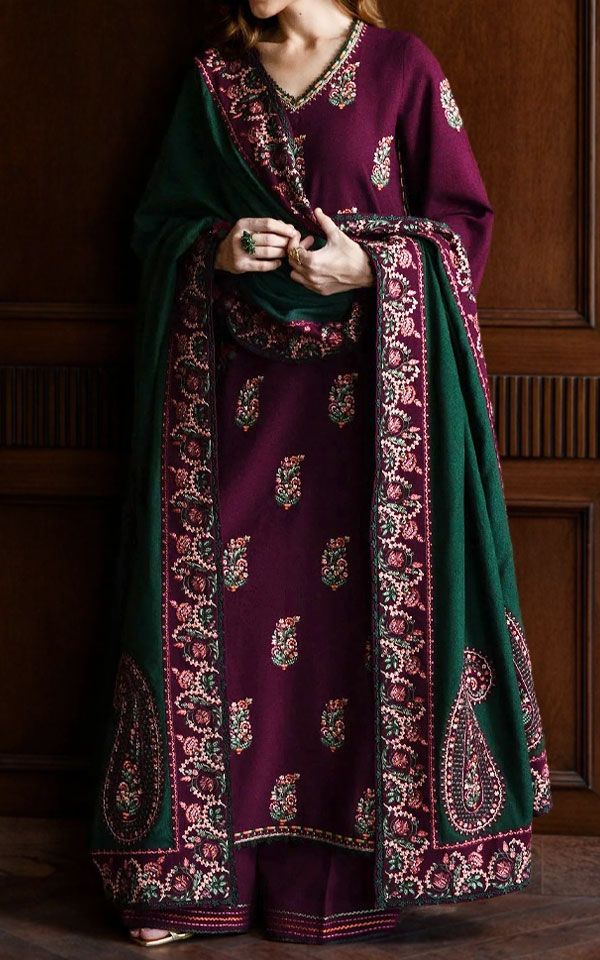
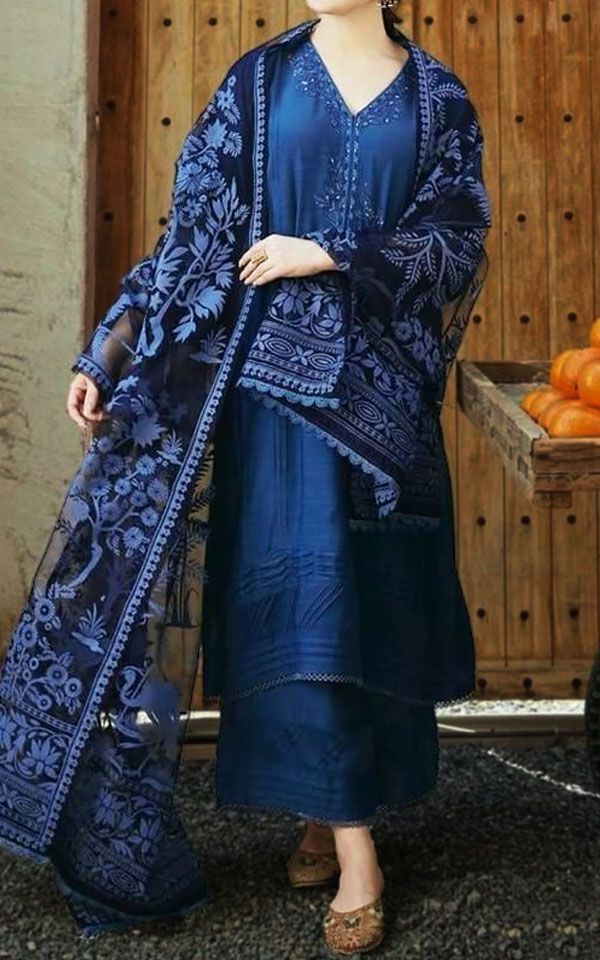
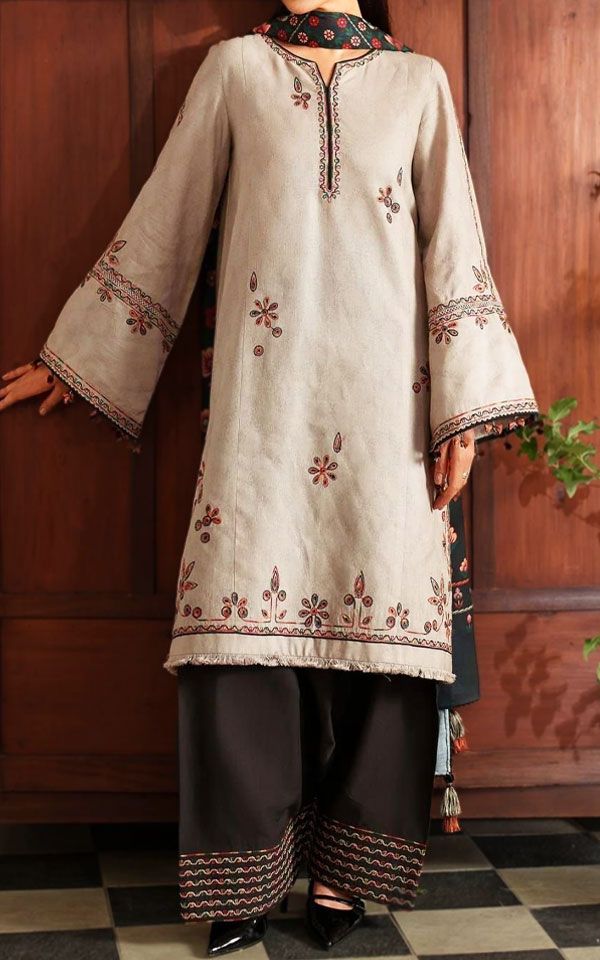
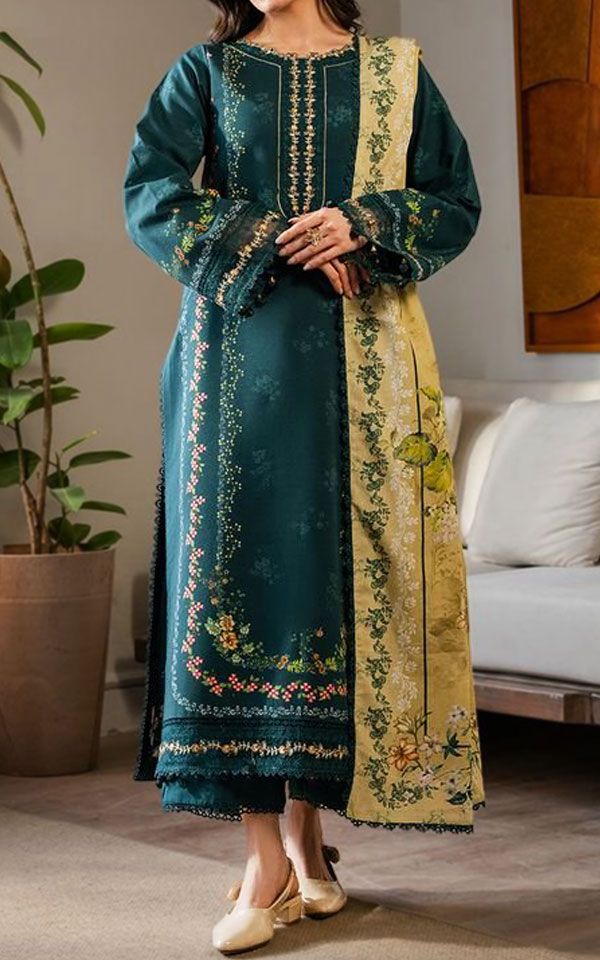
Winter hits differently when you live in the USA and grew up loving Pakistani fashion. You want to stay warm, you want to look put together, and you also want your closet to actually make sense instead of turning into a pile of suits you wore once and forgot about. That is where a capsule wardrobe comes in. It is not a trendy buzzword here, it is a practical way to get more mileage out of every Pakistani winter dress you own without spending your whole paycheck every November. If you have ever stood in front of a closet full of clothes and still felt like you had nothing to wear, this guide is for you. We are going to walk through exactly how to build a small, versatile, mix-and-match wardrobe using Pakistani winter suits, so getting dressed on a cold morning stops feeling like a chore. What a Capsule Wardrobe Means for Eastern WearA capsule wardrobe is simply a small, curated set of clothing pieces that all work together. Instead of owning forty suits that only pair with one specific dupatta, you own a smaller number of pieces that mix and match freely. Fewer decisions, more outfits, less clutter. For Western fashion, this idea usually revolves around jeans, blazers, and neutral tops. Applying it to Pakistani winter clothing looks a little different because our silhouettes, fabrics, and occasions are their own thing. A kurta is not a t-shirt. A shawl is not a scarf you grab and forget about. Eastern wear also carries cultural weight, so a capsule wardrobe here has to respect that while still being practical. The goal is not to own fewer clothes just for the sake of it. The goal is to own the right pieces so that every item earns its place in your closet. If you can wear something to a family dinner, a casual outing, and a slightly dressier event just by swapping accessories, that piece is doing its job.
Auditing Your Current Winter Suit CollectionBefore you buy a single new piece, go through what you already have. Pull every winter suit out of your closet and lay it on the bed. Yes, all of it. This step feels tedious, but it saves you from buying duplicates later. Sort everything into three piles. The first pile is pieces you wear often and still love. The second pile is pieces you like but rarely reach for, maybe because they need alterations or you are just not sure how to style them. The third pile is pieces you have not touched in over a year and honestly do not connect with anymore. Be honest with yourself here. That heavily embroidered shirt you bought three winters ago and never wore because it felt too formal for everyday life does not need to keep taking up space. Consider donating it, gifting it to a younger cousin, or reselling it. Keeping clothes out of guilt just makes your closet harder to navigate. Once you know what you actually have, you can see the gaps. Maybe you own five heavily printed shirts but nothing in a solid neutral tone. Maybe you have plenty of shawls but almost no plain trousers to pair them with. This audit tells you exactly what to shop for instead of guessing. Choosing a Base Color Palette That Mixes and MatchesColor is where most capsule wardrobes succeed or fail. If every suit you own is a different bold, competing print, nothing will mix and match no matter how much you try. Start by picking three or four neutral or muted base colors. Think maroon, mustard, olive, camel, charcoal, or deep navy. These shades work beautifully for winter, they photograph well, and they pair easily with both traditional and Western layers. Build most of your collection around these tones. Then add one or two accent colors that you genuinely love wearing, whether that is emerald green, deep plum, or rust orange. These accent pieces become your statement suits, the ones you reach for when you want something a little more memorable. When you shop for Pakistani winter dresses online, resist the urge to buy every gorgeous print that shows up on your screen. Ask yourself if the color works with at least two other things you already own. If the answer is no, think twice before adding it to your cart. A tight, coordinated color palette is honestly the single biggest thing that makes a capsule wardrobe function. Picking Versatile Fabrics for Multiple OccasionsWinter fabrics vary a lot in weight, texture, and formality, and picking the right mix matters just as much as color. Khaddar is breathable, warm, and works well for daily wear. Karandi sits somewhere between khaddar and linen, light enough for milder days but still cozy. Velvet leans dressier and works best for evening or festive occasions. Wool blends and jamawar are heavier and suit the coldest months, especially in states with harsh winters. A well-built capsule includes a mix of these weights rather than ten suits in the exact same fabric. That way you are covered whether it is a mild 45 degree day in October or a freezing January morning in the Midwest.
Fabric choice also affects how a piece layers. Khaddar and karandi layer easily under coats and cardigans, which matters a lot once you start dressing for actual American winters instead of Pakistani ones. Velvet and heavier embroidered pieces are better worn on their own for indoor events where you are not fighting the cold outside. When shopping Pakistani winter collections in USA based stores, check the fabric description carefully. Photos alone will not tell you if something is lightweight karandi or heavy wool blend, and that detail changes how often you will actually wear the piece. The 10-Piece Winter Capsule FormulaHere is a simple formula to work from. It is not a rigid rule, just a starting point you can adjust based on your lifestyle and climate. Three everyday suits in breathable fabrics like khaddar or karandi, in your base neutral colors. These become your go-to pieces for errands, casual get-togethers, and regular days. Two versatile mid-weight suits that can go from daytime casual to a slightly dressier evening with a change of accessories. Think subtle embroidery or a nice print, nothing too loud. Two statement pieces in your accent colors, whether that is a bold print or a richer fabric like velvet. These are for events, dinners, and photos where you want to stand out a bit. One heavier winter piece for the coldest days, something in wool blend or a warmer weave that can stand alone without needing multiple layers underneath. Two shawls or dupattas in neutral tones that pair with almost everything else in the capsule, plus one statement shawl in a bold color or pattern for when you want extra flair. This gives you a foundation of ten to eleven pieces that, when mixed and matched, can realistically produce over twenty different outfit combinations. That is the real magic of a capsule wardrobe. It is not about owning less for the sake of minimalism, it is about owning smarter. Rotating Dupattas and Shawls to Multiply OutfitsDupattas and shawls are honestly the most underrated tool in a Pakistani winter capsule wardrobe. A single plain suit can look completely different depending on what you drape over it. Swap a printed shawl for a plain one and the entire outfit shifts in mood. Keep a few versatile shawls on hand. A neutral pashmina in camel or beige works with nearly every color combination you own. A deep jewel-toned shawl adds richness to a plain outfit. A printed or embellished dupatta can turn a simple everyday suit into something suitable for a small gathering.
Try pairing shawls across seasons of your wardrobe too, not just matching them to a single suit. A shawl bought two years ago might pair beautifully with a new piece you just added. This is exactly why keeping your color palette consistent matters so much, it lets your accessories work across your entire collection instead of being locked to one specific outfit. Investment Pieces vs Seasonal Trend BuysNot every purchase needs the same level of thought. It helps to separate your shopping into two categories: investment pieces and trend pieces. Investment pieces are the suits you plan to wear for years. These deserve better fabric quality, classic cuts, and colors that will not feel dated in three winters. Spend a bit more here if your budget allows, because cost per wear drops significantly on pieces you actually keep in rotation season after season. Trend pieces are the fun, of-the-moment prints or cuts that catch your eye but might not have staying power. These are fine to buy on a smaller budget, just go in knowing you might retire them after a season or two. There is nothing wrong with enjoying a trend, just be intentional about how much of your budget goes toward it. When browsing Pakistani winter clothing online, it helps to mentally sort items into these two buckets before adding anything to your cart. That single habit prevents a lot of closet regret. Storage Tips to Keep a Capsule Wardrobe OrganizedA capsule wardrobe only works if you can actually see and access everything in it. Cramming pieces into a packed closet defeats the purpose. Hang your suits by color rather than by brand or occasion. This makes it instantly obvious what pairs with what, and it also highlights gaps in your palette. Use slim, matching hangers so your closet does not look chaotic every time you open the door. Fold heavier winter pieces like wool blends and jamawar rather than hanging them, since hanging can stretch out heavier fabric over time. Store shawls in a drawer or on a dedicated shelf, folded neatly so you can see them at a glance instead of digging through a pile. If closet space is tight, under-bed storage bins work well for out-of-season pieces. Just make sure everything is clean before it goes into storage, since stains set over time and become much harder to remove later.
Building a Capsule on Different BudgetsA capsule wardrobe does not require a big budget, it requires intention. If you are working with a smaller budget, start with the everyday pieces first, since those get the most wear. Add statement and heavier winter pieces gradually as you can afford them. Watch for end-of-season sales, since many retailers discount Pakistani winter dresses toward the end of the cold months, which is actually a smart time to shop for next year. Prices tend to drop while selection is still decent, especially compared to shopping at the very start of the season when everything is full price. If your budget is more flexible, you can build your capsule faster, but the same rules still apply. Do not let a bigger budget tempt you into buying pieces that do not match your palette just because they are pretty. A closet full of beautiful things that do not work together is still a disorganized closet. Common Mistakes When Downsizing Your Winter ClosetThe biggest mistake people make is trying to build a capsule wardrobe too fast. Buying ten new pieces in one shopping trip rarely results in a cohesive collection. It is better to build gradually, adding one or two pieces at a time and checking that each new item actually complements what you already own. Another common mistake is being too rigid with the color palette. A capsule does not mean everything looks identical or boring. You can absolutely include bold colors and prints, just be thoughtful about how many you add and make sure they still have at least a couple of pairing options within your existing pieces. People also tend to underestimate how much dupattas and shawls affect an outfit, so they end up buying suits without thinking through what will be worn on top. Always picture the full outfit, shawl included, before deciding a piece fits your capsule. Finally, a lot of people hold onto sentimental pieces that no longer serve them just because they were expensive or gifted by someone special. It is okay to store a few of these separately outside your everyday capsule instead of forcing them into daily rotation. Sample 30-Day Capsule Wardrobe Outfit CalendarHere is a simple way to see how far ten to eleven well-chosen pieces can stretch across a month. Week one can rotate through your three everyday khaddar or karandi suits, pairing each with a different neutral shawl to keep things feeling fresh even though you are technically repeating pieces.
Week two can bring in your two mid-weight versatile suits, dressed down with simple accessories for daytime and dressed up with statement jewelry for any evening plans. Week three can mix everyday pieces with your statement suits for any weekend events, family visits, or dinners, using your accent-colored shawls to tie things together. Week four can lean on your heavier winter piece for the coldest days, paired with your investment pieces from earlier weeks, and finish the month with a repeat of your favorite combinations now that you know what works best together. By rotating shawls, layering pieces differently, and mixing dressier items with casual ones, ten to eleven suits can realistically cover an entire month without anyone noticing you are wearing the same core pieces on repeat. That is the whole point of building a smart, functional capsule wardrobe. Adjusting Your Capsule as Life ChangesA capsule wardrobe is not something you build once and leave untouched forever. Your lifestyle changes, your city changes, your job changes, and your closet should shift along with all of that. Someone who just moved from California to Michigan is going to need a completely different fabric mix than someone who has lived in Texas their whole life. Someone starting a new office job will need different pieces than someone who works from home and mostly dresses for weekend errands and family visits. Revisit your capsule once a year, ideally right before winter starts. Pull everything out again the same way you did during your original audit. Notice what you reached for constantly and what sat untouched. Pieces that got worn often earn a permanent spot. Pieces that never left the hanger are worth reconsidering, even if you loved them in theory. This yearly check-in also gives you a natural, low-pressure moment to shop with intention rather than impulse. Instead of buying randomly whenever a sale email lands in your inbox, you already know exactly what gap you are filling and why. Shopping Smart for Pakistani Winter Dresses Online in the USAOnce you know your palette, your fabric preferences, and the gaps in your closet, shopping becomes a lot less overwhelming. Instead of scrolling endlessly and adding things to your cart on impulse, you can search with a clear goal in mind. Look for retailers who ship reliably to the USA and who describe their fabrics honestly rather than relying only on flattering product photos. Read reviews when you can, especially ones that mention true-to-size fit and fabric weight, since these details matter more for a capsule wardrobe than they might for a one-off impulse buy.
It also helps to keep a running note on your phone listing exactly what your capsule is missing. If you know you need one more neutral shawl and one statement piece in emerald, you will spot the right item much faster when it shows up, and you will be far less tempted by pieces that do not actually serve your wardrobe. Building a thoughtful collection of Pakistani winter dresses does take a bit more patience upfront than simply buying whatever looks good in the moment. But that patience pays off every single morning you open your closet and actually know what to wear. Final ThoughtsBuilding a capsule wardrobe with Pakistani winter suits in the USA is really about being intentional instead of impulsive. Audit what you have, commit to a color palette that actually works together, choose fabrics suited to your specific climate, and shop with a plan instead of buying whatever catches your eye that week. Whether you are searching for Pakistani winter dresses online in USA stores or exploring the latest Pakistani winter collections in USA boutiques, keep this framework in mind. A smaller, smarter wardrobe will always serve you better than a packed closet full of pieces that never quite go together. Once you build your capsule, getting dressed on a cold morning stops being a struggle and starts being one of the easiest parts of your day. |
| ||||||||||||