|
|
CATEGORIES
|
|
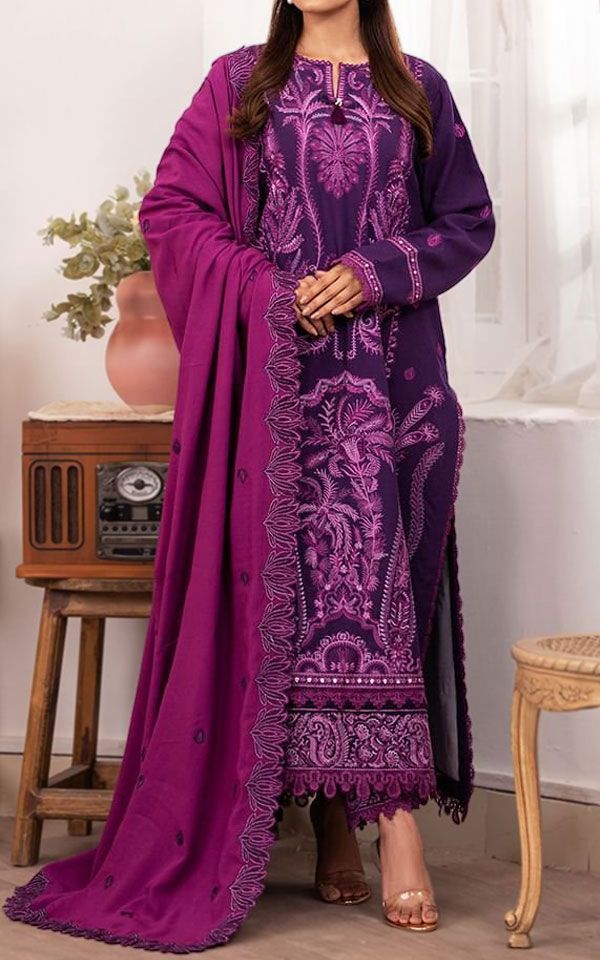
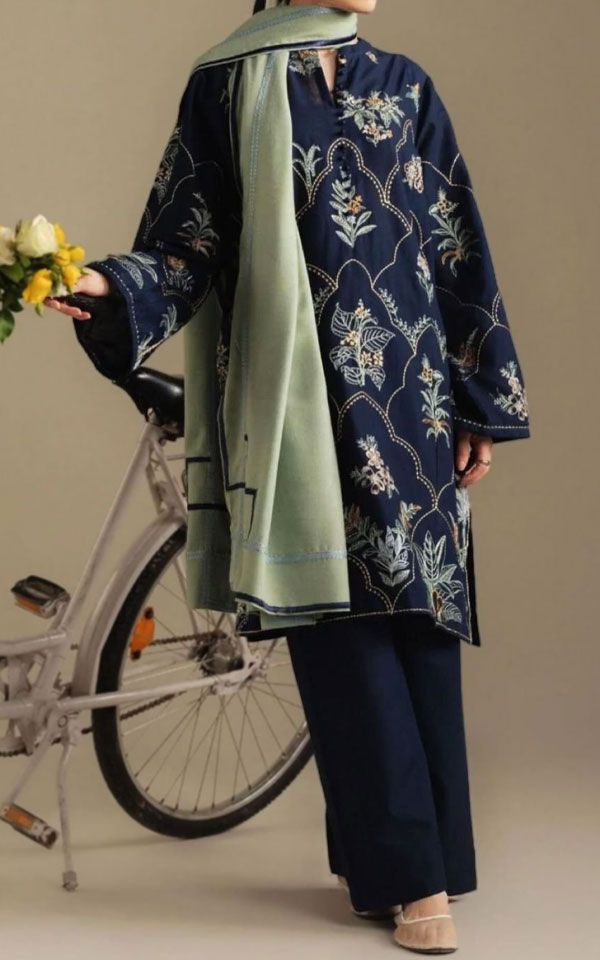
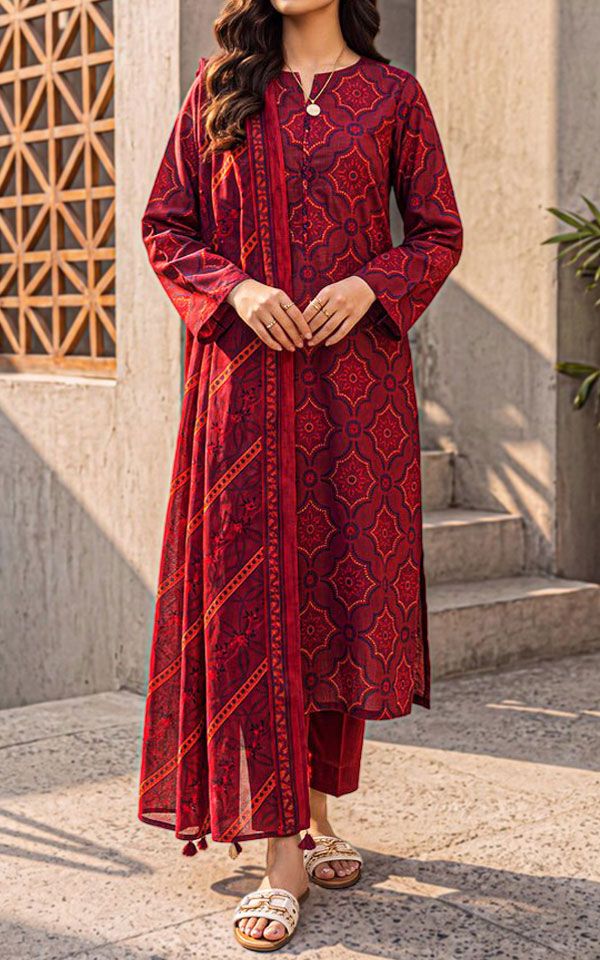
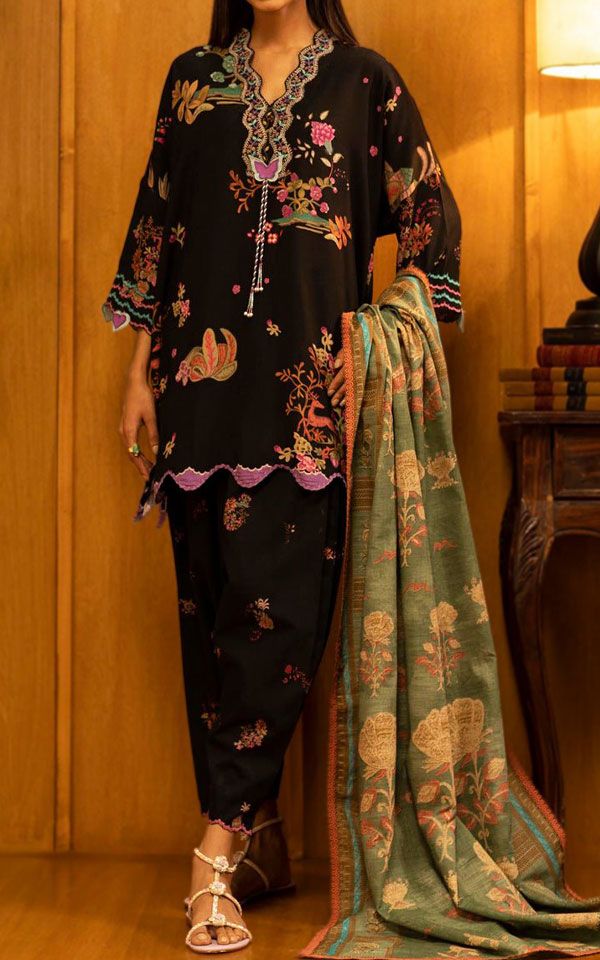
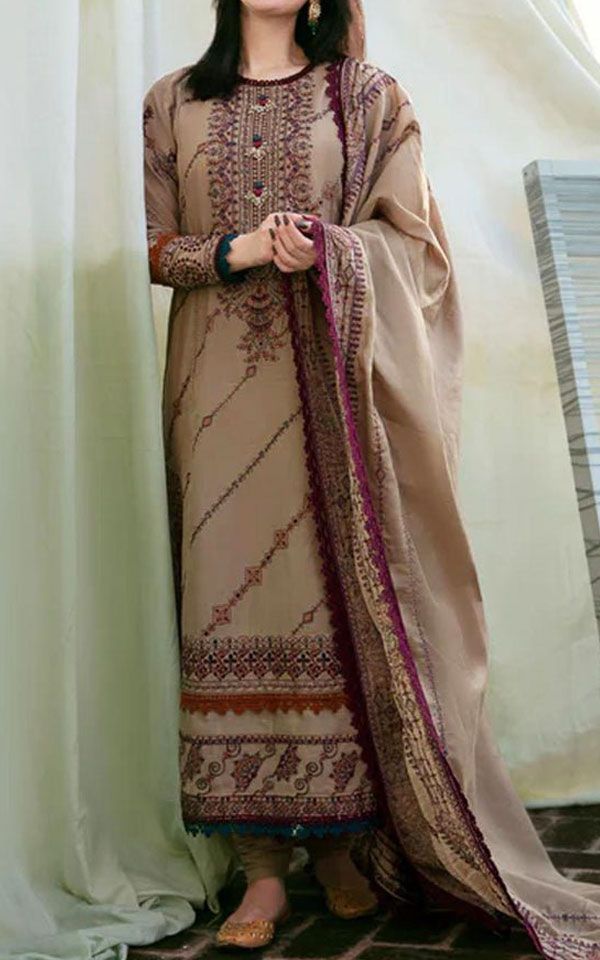
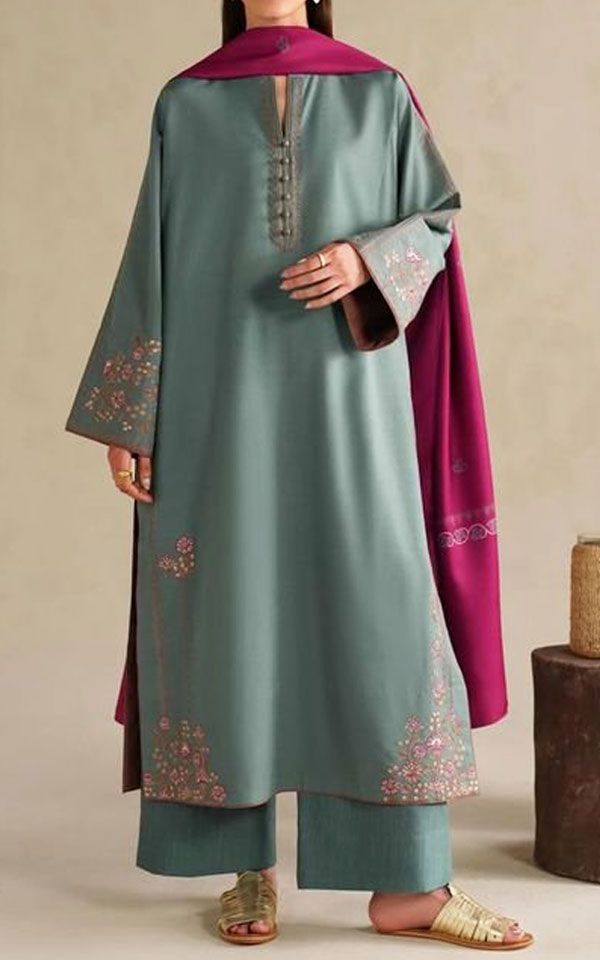
Winter in the United States does not feel the same everywhere. A December afternoon in Houston may remain mild and humid, while the same day in Minneapolis can bring freezing wind, snow and dangerously low temperatures. Seattle has wet winters, Denver often experiences dry cold and New York may shift between rain, snow, wind and heated indoor spaces within a single day. These regional differences affect how you should shop for Pakistani winter dresses. An outfit that works comfortably in Georgia may provide little protection in Illinois. On the other hand, a heavy velvet suit that looks perfect at an evening event in New Jersey may feel uncomfortable during a sunny winter afternoon in Southern California. This does not mean you need to replace traditional clothing with an entirely Western wardrobe. Pakistani suits can work well in almost every US climate when you select the correct fabric, construction and layers. Before buying Pakistani winter clothing online, consider your local temperature, wind, humidity, precipitation and daily routine. Your travel method also matters. Someone who drives from a heated garage to an indoor office needs fewer protective layers than a person who walks to a train station every morning. This guide explains how to select Pakistani winter clothes for different US climate zones while preserving comfort, practicality and traditional style. Why Winter Clothing Needs Vary Across the USAThe United States covers a large geographical area with several distinct climate regions. The US Department of Energy identifies broad categories such as hot-humid, mixed-humid, hot-dry, mixed-dry, marine, cold and very cold.
For clothing purposes, you do not need to understand every technical climate classification. Start with five practical questions: How low does the temperature normally fall? Does the area receive rain, snow or mostly dry weather? How strong is the winter wind? How quickly does the temperature change during the day? How much time do you regularly spend outside? Temperature alone does not explain how winter feels. Forty degrees Fahrenheit in a dry and sunny city can feel comfortable. The same temperature with rain and strong wind may feel significantly colder. Local conditions matter more than the state nameLarge states can contain several climate patterns. Northern Texas, for example, may experience conditions that differ considerably from the Gulf Coast. California contains mild coastal cities, dry inland valleys, deserts and snowy mountain areas. Even different parts of the same city can feel different. A neighborhood close to the coast may experience more wind than an inland area. Open suburbs and railway platforms can also feel colder than protected downtown streets. Choose your clothes according to your city, daily route and outdoor exposure rather than relying only on your state. Consider the entire winter seasonEarly winter, midwinter and early spring rarely require clothes of the same weight. Many regions experience moderate weather in November, severe cold in January and mixed rain or snow in March. Instead of buying several equally heavy dresses, create a varied wardrobe: Light winter suits for transitional weather Medium-weight outfits for ordinary winter days A smaller number of heavy outfits for severe cold Formal dresses suitable for heated indoor occasions This approach extends the useful life of your Pakistani winter dresses and prevents you from buying clothes that work for only a few days each year. Using a Three-Layer Clothing Plan for US WintersA three-layer system provides greater flexibility than one extremely heavy outfit. It consists of a base layer, the Pakistani suit and an outer protective layer. You can add or remove each layer as the temperature changes. The base layerThe base layer sits next to your skin. In mild weather, it may consist of a cotton camisole or thin full-sleeved shirt. Colder conditions may require a fitted thermal top and thermal leggings. Choose thin materials that retain warmth without creating visible bulk. Merino wool, silk blends and modern synthetic thermal fabrics can fit comfortably beneath a kameez. Match the thermal neckline with the shirt neckline. A low round-neck thermal works under many Pakistani designs. A high thermal neckline may show beneath a wide, round or embroidered neck. The base layer should fit closely, but it should not restrict movement. Loose thermals can form folds beneath a fitted shirt and alter its appearance. The Pakistani suitThe main outfit supplies the visible color, texture, embroidery and cultural style. Its warmth depends on fabric density, lining and construction. A winter suit does not need to provide all the insulation. In severe cold, it functions more effectively as the middle layer between thermals and outerwear. Choose a slightly relaxed shirt if you regularly wear thermals. Very tight sleeves and armholes can become uncomfortable once you add an inner layer. The outer layerA coat protects the outfit and body from wind, rain and snow. Depending on the climate, you may need a cardigan, wool coat, raincoat, puffer jacket or waterproof shell. Leave enough room for the shirt, sleeves and embroidery. Tight outerwear can compress insulation, damage raised embellishments and restrict movement. Strong indoor heating makes removable layers especially useful. You can take off the coat and remain comfortable without changing the complete outfit. Pakistani Winter Clothes for Cold and Very Cold Northern StatesCold and very cold regions include Minnesota, North Dakota, northern Wisconsin, northern Michigan, Vermont, New Hampshire, Maine and parts of several other northern states. Alaska requires even stronger winter protection. These areas can experience prolonged freezing temperatures, icy wind and deep snow. A Pakistani winter suit alone will not provide sufficient protection during severe weather.
Select dense, structured fabricsUseful choices include heavy khaddar, winter marina, wool blends, dense jacquard and lined fabrics. A compact weave helps reduce airflow, although no traditional dress should replace weather-rated outerwear in extreme cold. Velvet offers a luxurious winter appearance, but its warmth can vary. Lightweight velvet may need lining, while heavily lined velvet can become uncomfortable inside heated venues. Use velvet mainly for formal indoor occasions unless you can protect it completely during outdoor travel. Choose cold-friendly constructionFull sleeves, controlled side openings and closed necklines help reduce drafts. Very wide sleeves and large side slits may expose the body even when the main fabric feels thick. Straight or slightly relaxed shirts leave room for a base layer. Narrow armholes, fitted shoulders and tight cuffs may restrict movement after layering. Keep trouser hems above wet or snowy ground. Straight trousers and gently tapered pants fit more easily with winter boots than very wide palazzos. Use proper outer protectionWear an insulated coat, warm socks, gloves, a close-fitting scarf and weather-resistant boots. A Pakistani shawl can complement the indoor outfit, but it should not serve as the only protection against severe wind. When temperatures fall far below freezing, prioritize safety. Allow the suit to provide the style while specialized winter clothing provides insulation and weather resistance. Pakistani Winter Clothes for the NortheastThe Northeast includes coastal cities, inland valleys, mountains and areas affected by Great Lakes weather. New York, Boston, Philadelphia and surrounding regions may experience rain, wet snow, freezing conditions and strong wind within the same week. Versatility matters more than owning only the heaviest fabrics. Prepare for freezing and thawingNortheastern winters often shift above and below freezing. Snow can melt during the day and refreeze at night, leaving wet pavements, dirty slush and ice. Long trousers and flowing shirt hems may absorb water or road salt. Choose practical lengths for everyday use and carry delicate formal clothes carefully when attending events. Raised embroidery near the bottom of a shirt may become difficult to clean after contact with slush. Neckline, shoulder and sleeve embroidery generally proves more practical during wet winter travel. Dress for coastal windWind can enter through open necklines, wide cuffs and side slits. A tightly woven suit may still feel cold if its construction leaves large openings. Wear a fitted inner layer beneath open areas. Secure the dupatta under the coat instead of allowing it to move freely in the wind. A coat with a covered front closure offers better protection than an open cardigan. Smooth coat linings also reduce friction against textured fabric and embroidery. Plan for public transportationPeople who use buses, subways and commuter trains regularly move between cold outdoor spaces and heated interiors. Choose layers that you can remove easily. A long coat over a medium-weight Pakistani suit often works better than several loose shawls. Keep the dupatta close to the body so it does not catch in doors, escalators or crowded stations. What to Wear During Midwest WintersThe Midwest contains open plains, large cities and communities near the Great Lakes. Wind often becomes as important as the actual temperature. Areas around the Great Lakes may also receive lake-effect snow. NOAA explains that this develops when cold air passes over warmer lake water, gathers moisture and later releases it as snow. Give priority to wind resistanceA thick fabric does not always block moving air. A loose weave may allow wind to pass through even when the material feels heavy. Look for compact weaves, closed plackets and sleeves with secure cuffs. A fitted inner layer can protect areas around side slits and neck openings. Avoid bell sleeves and highly flared cuffs on exposed days. They allow cold air to enter and can become difficult to arrange beneath a coat. Choose practical trousersStraight trousers and tapered pants fit more easily inside or above boots. If you prefer a traditional shalwar, choose one with controlled lower volume. Very wide trousers can catch wind and brush against wet ground. Road salt may also leave visible marks, particularly on black, navy and other dark colors. Make commuting easierFor regular car travel, avoid bulky embellishments across the back of the shirt. They may become uncomfortable when pressed against the seat. Public-transport users should select secure shawls and manageable dupattas. Carrying loose fabric, gloves, a phone and a handbag can become difficult in crowded conditions. Keep spare gloves, warm socks and a simple scarf in the car or workplace. These accessories provide extra protection when the weather changes unexpectedly. Suitable Outfits for the Pacific NorthwestSeattle, Portland and surrounding areas generally experience moderate urban temperatures compared with the northern plains. However, frequent rain and dampness create different clothing challenges. The main objective is to remain dry without becoming overheated. Separate insulation from rain protectionA thin waterproof outer shell over a medium-weight outfit gives you more control than one extremely thick coat. Choose a raincoat long enough to protect the side openings of the kameez and the upper section of the trousers. A short jacket may leave too much fabric exposed during wind-driven rain. A secure hood provides more reliable protection than an umbrella during strong wind. Select fabrics that handle damp conditionsMedium-weight linen blends, winter cotton, soft khaddar and breathable jacquard can work well. Consider how quickly the fabric dries and how it responds to moisture. Fabrics with a clean and controlled drape often recover more neatly than highly textured materials. Velvet requires particular care because rain can leave water spots or affect the direction of its pile. If you plan to wear velvet at an indoor event, cover it completely while travelling.
Keep the dupatta under controlA long dupatta can touch wet railings, car doors and pavements. Pin it securely, fold it into a narrower drape or select a shorter woven scarf for everyday use. Hang a damp coat and dupatta separately after reaching your destination. Do not leave wet fabric folded inside a handbag because trapped moisture can create odors and stubborn creases. Pakistani Winter Wear for Southern StatesFlorida, coastal Georgia, Louisiana and parts of Texas experience milder winters than northern states. Mornings and evenings may feel cool, but afternoons can become warm. In this climate, the challenge involves avoiding overheating rather than obtaining maximum insulation. Choose breathable winter materialsLight khaddar, cotton-linen blends, medium cotton, lightweight jacquard and similar fabrics work well for many southern locations. Heavy lining and dense synthetic embroidery backing can reduce airflow. Check the reverse side of an embroidered shirt to understand how much of the fabric the backing covers. Reserve heavy velvet for evening weddings, air-conditioned venues and the coldest part of the season. Build outfits around temperature changesSelect the main dress for the warmer part of the day and carry a cardigan, light coat or shawl for the cooler hours. This arrangement works better than wearing a thick suit all day. Once the temperature rises, a heavily lined outfit offers no easy way to reduce warmth. Create a winter appearance without heavy fabricDeep green, navy, rust, maroon, plum, brown and charcoal create a seasonal look in lighter materials. Woven texture, darker prints and antique metallic embroidery can also give an outfit a winter character. Product photography may use dark backgrounds, fireplaces and shawls to create a seasonal mood. These visual elements do not confirm the actual warmth of the fabric. When reviewing Pakistani winter dresses online in USA, rely on the written material description and close-up photographs. What to Wear in Mixed-Humid US RegionsMixed-humid areas include parts of Virginia, North Carolina, Tennessee, Kentucky, Oklahoma and neighboring regions. Winters can bring cool rain, frost and occasional freezes, but severe cold may not remain for long. These regions benefit from adaptable, medium-weight clothing. Select outfits for ordinary conditionsMedium khaddar, winter cotton, linen blends and light marina can serve through much of the season. They provide more warmth than transitional fabric without becoming excessively heavy. Keep one or two heavier suits for cold spells instead of building the entire wardrobe around rare low temperatures. Plan for rain and humidityCold rain can make the body feel less comfortable even when the temperature remains above freezing. Use water-resistant outerwear and avoid allowing trouser hems or dupattas to touch wet surfaces. Breathability still matters because humidity and indoor heating can make thick clothing feel stuffy. Choose removable layers and avoid overly dense linings for everyday use. Watch the hourly forecastA mild afternoon can become cold shortly after sunset. Check the temperature at the time you expect to return home rather than looking only at the daytime high. Keep a coat and closed footwear available even during an otherwise mild week. Dressing for Dry Winters in Western StatesArizona, Nevada, Utah, Colorado and other western areas contain deserts, high plains and mountain regions. Conditions change with location and elevation. Dry air, strong sunlight and large differences between daytime and nighttime temperatures often influence clothing choices. Prepare for the daily temperature rangeA sunny afternoon may feel comfortable, but temperatures can fall quickly after sunset. Carry a compact insulating layer even when you do not need it during the day. A lightweight padded vest can fit under a coat and add warmth without affecting the visible sleeves or lower silhouette of the dress. Check the evening forecast before leaving home. The daytime high does not tell you how cold the return journey will feel. Reduce static electricityDry air can cause synthetic linings, trousers and dupattas to cling together. Natural-fiber inner layers may reduce friction. You can also use an anti-static product, but test it on a hidden seam first. Some sprays may mark velvet, silk or dark fabric. Avoid combining several highly synthetic layers when static regularly causes problems. Protect dry and sensitive skinRough wool blends and exposed embroidery backing may irritate dry skin around the neck and wrists. A soft cotton inner layer creates a barrier. Inspect the reverse side of embellishments for stiff backing, exposed thread ends or metal components before wearing the outfit for a long period. Choosing Pakistani Winter Dresses for California’s Different ClimatesCalifornia cannot be treated as one winter climate. Coastal cities, inland valleys, deserts and mountain areas require different wardrobes. Southern CaliforniaLos Angeles, San Diego and nearby coastal areas generally suit linen blends, light khaddar, winter cotton and breathable jacquard. A cardigan, blazer or light coat may provide enough protection for many ordinary days. Reserve heavy velvet for evening events or colder inland locations. Northern coastal CaliforniaSan Francisco and surrounding coastal areas can feel chilly because of wind and damp air. Medium-weight clothing with a wind-resistant coat usually works better than one very heavy dress.
Carry a compact scarf and choose secure dupatta arrangements for windy locations. Inland CaliforniaInland valleys can have colder mornings and nights than nearby coastal areas. Use breathable main outfits with removable outer layers. Dry air may also create static, particularly when synthetic trousers rub against coat linings. California mountain regionsLake Tahoe and other mountain areas may receive substantial snow and freezing temperatures. A suit selected for Los Angeles will not provide sufficient protection. Wear thermals, insulated outerwear and snow-safe footwear during travel. Keep the Pakistani outfit as the main indoor dress once you reach the destination. Choosing Fabrics According to TemperatureFabric names do not always reveal how warm a dress will feel. Weight, weave, lining and garment construction all influence performance. One brand’s winter linen may feel lighter than another brand’s fabric with the same label. Study fabric weight and densityIf the seller does not provide fabric weight, examine how the material falls in photographs or videos. Very light fabric responds quickly to movement. Denser cloth forms broader and more controlled folds. A compact weave usually blocks more air than an open one. Hold a fabric sample against light when possible. Large visible gaps suggest that wind may pass through it. Evaluate the complete suitEmbroidery, backing, lining, interfacing and borders can make a dress warmer. A heavily embroidered shirt may feel substantially warmer than a plain shirt made from the same fabric. Check the trousers as well. A warm, lined shirt paired with thin trousers may leave the lower body uncomfortable. Use temperature ranges as a general guidePersonal cold tolerance varies, but the following ranges can provide a starting point: Around 55°F to 65°F: light winter cotton, linen blends and breathable materials may work well. Around 40°F to 55°F: medium-weight fabric with a removable cardigan, shawl or coat often feels appropriate. Below 40°F: most outfits require stronger support from thermals and suitable outerwear. Below freezing: clothing choices should account for wind, moisture and outdoor exposure, not only fabric weight. These are general guidelines rather than strict rules. Age, health, physical activity and exposure time all affect comfort. Understanding Wind Chill and RealFeel TemperaturesWeather applications often show an actual temperature and a separate “feels like” figure. This second reading can provide useful information when choosing clothes. What wind chill meansThe National Weather Service explains that wind chill describes how cold people and animals feel because wind removes heat from exposed skin. For example, an air temperature of 0°F combined with a 15 mph wind produces a wind chill of approximately -19°F. Under those conditions, exposed skin may develop frostbite in about 30 minutes. Wind chill does not mean that clothing or other objects become colder than the actual air temperature. It describes the faster rate of heat loss from the body. When wind chill falls significantly below the air temperature, cover the neck, wrists, hands and other exposed areas. Use wind-resistant outerwear rather than relying only on thick fabric. What RealFeel meansRealFeel is an AccuWeather measure that considers several environmental factors. These include temperature, humidity, wind, precipitation, cloud cover and sunlight. It differs from the official wind chill calculation. Wind chill focuses on cold temperatures and wind, while RealFeel attempts to describe a broader combination of weather conditions. Use these readings as planning tools. They should not replace official winter warnings or weather-safety advice. How to Evaluate Pakistani Winter Fabrics When Shopping OnlineOnline shopping gives US customers access to a large variety of Pakistani winter collections, but product descriptions can sometimes lack detail. A careful evaluation reduces the likelihood of receiving a fabric that feels too thin, too heavy or unsuitable for the local climate. Read the complete descriptionDo not rely only on the words “winter collection.” Look for details about the specific fabric, number of pieces, lining, woven panels and embroidery. Check whether the front, back and sleeves use the same material. Some dresses combine a warm front panel with lighter or sheer sleeves. Study close-up images and videosZoom in on the weave, embroidery and fall of the fabric. Studio lighting can make materials appear thicker, shinier or darker than they look in normal conditions. Videos often show fabric movement more accurately than still photographs. Ask the seller specific questionsInstead of asking whether the dress is warm, ask: Is the fabric light, medium or heavy? Does the shirt require lining? Are the sleeves sheer? Can the stitched size accommodate thermals? Is the embroidery backing thick? Does the velvet stretch? Is the outfit suitable for freezing weather or mainly indoor wear? Specific questions usually produce more useful answers.
Check garment measurementsPakistani and American size labels do not always match. Compare garment measurements with a kameez that already fits you well. For winter layering, pay particular attention to: Bust measurement Shoulder width Armholes Upper sleeve width Cuff opening Hip measurement Trouser thigh width Trouser length Allow enough room for a thin base layer without making the dress unnecessarily loose. Building Layers Without Hiding Your OutfitPakistani dresses often feature neckline embroidery, decorative sleeves and carefully placed borders. Poor layering can hide these details or make the outfit look bulky. Keep the base layer discreetChoose an inner shirt that follows the body without forming folds. Match it to the dress or your skin tone if the outer fabric appears slightly sheer. For a wide embroidered neckline, use a low-neck thermal or fitted camisole. A visible thermal can disrupt the shape of the design. Place insulation strategicallyNot every part of the outfit needs equal thickness. A thin insulated vest may add torso warmth without affecting decorative sleeves. Thermal leggings protect the lower body beneath side slits while keeping the visible trousers unchanged. Match the coat to the dressA knee-length coat often creates a balanced proportion with a straight Pakistani shirt. Very short jackets can divide a long kameez at an awkward point. Check whether the coat’s sleeves and armholes can accommodate embroidery, buttons or wider cuffs. Remove the coat after reaching the destination and then arrange the dupatta and sleeves. This prevents decorative details from becoming crushed during travel. Pakistani Winter Dressing for Indoor Weddings and EventsMany US winter weddings, dinners and community gatherings take place in heated indoor venues. Guests may travel through freezing conditions but spend most of the event inside a warm hall. Separate outdoor protection from the formal outfitChoose the formal dress according to the indoor temperature. Let thermals, footwear and outerwear provide protection during travel. Velvet shirts, raw silk trousers, jacquard dresses and embroidered suits can all work well for indoor occasions. Avoid combining a heavily lined dress with thick thermals unless the venue feels unusually cold. Protect embroidery during travelWear a coat with enough room around the shoulders, sleeves and chest. Tight outerwear can press against dabka, sequins, beads and crystals. A smooth lining reduces friction. For heavily embellished outfits, place a soft protective cloth between rough outerwear and delicate handwork. Remove the coat carefully instead of pulling it rapidly across raised embroidery. Carry formal shoes separatelySnow, rain and road salt can damage khussas, heels and delicate sandals. Travel in water-resistant footwear and carry formal shoes in a protective bag. Change inside the venue and keep wet footwear separate from the dress and dupatta. Essential Accessories for Every Climate ZoneWinter accessories should solve practical weather problems as well as complement the outfit. Cold and snowy climatesUseful items include: Insulated gloves Warm socks Non-slip winter boots A close-fitting scarf A protective shoe bag A structured handbag with a secure closure Rainy climatesCarry a compact umbrella, waterproof footwear and a protective handbag cover. Use a discreet pin or clip to prevent the dupatta from touching wet surfaces. Windy climatesSelect secure scarves and avoid excessively loose accessories. Gloves with touchscreen-compatible fingertips reduce the need to expose your hands while checking directions. Mild and changing climatesA light shawl, cardigan and compact scarf can cover most temperature changes. Carry a bag large enough to hold a removed layer. Dry climatesLip balm, moisturizer and an anti-static solution may improve comfort. A soft inner scarf can protect dry skin from rougher winter materials. Neutral accessories in black, charcoal, camel, taupe or navy can coordinate with several outfits. Common Climate-Based Shopping MistakesShopping according to the state rather than the cityConditions can vary greatly within California, Texas, New York and other large states. Check your ZIP code, elevation and local weather patterns. Confusing luxurious appearance with warmthRich color, embroidery and shine do not confirm insulation. A dress can look suitable for winter while using relatively light fabric. Ignoring garment constructionOpen sleeves, side slits, sheer panels and low necklines reduce warmth. Study the full design rather than focusing only on the material name. Buying several outfits of the same weightA varied wardrobe works across more of the season. Combine light, medium and heavy options instead of buying only thick suits. Forgetting outdoor travelAn outfit may suit a heated venue but fail during the walk from the car or wait for transport. Plan both parts of the journey.
Buying outerwear too close to the bodyA tight coat may not accommodate Pakistani sleeves, thermals or shoulder embroidery. Test it with the layers you actually plan to wear. Ordering too close to an eventInternational delivery, tailoring and exchanges require time. Order Pakistani winter dresses online in USA well before weddings and other important occasions. Buying too many occasion-specific outfitsA dress that works at only one type of event offers limited value. Look for outfits that can change through accessories, shawls and jewelry. Creating a State-Specific Winter WardrobeA practical state-specific wardrobe should cover ordinary local weather while leaving room for unusual conditions. Review local winter informationUse a reliable weather service or NOAA climate normals to understand typical temperatures and precipitation. Review nighttime lows as well as average daytime highs. Evening conditions may matter more if you attend dinners, weddings and family gatherings. Divide your wardrobe into three levelsOrganize your clothing for: Mild winter days Ordinary winter conditions Severe or unusual weather Assign your existing outfits to these groups before buying anything new. This process helps identify genuine gaps. Match clothing to your routineEstimate how often you need workwear, casual dresses, religious-gathering outfits and formal clothes. A daily commuter benefits from durable, easy-care suits with practical hems. Someone who attends several weddings may need more formal options and protective outerwear. Plan outerwear before buying more suitsKnowing your coat’s length, sleeve width and color helps you select dresses that work beneath it. A neutral everyday coat can coordinate with casual prints and khaddar suits. A separate formal coat can protect velvet, jacquard and embellished outfits. Build around a coordinated color paletteChoose several colors that work with the same coats, shoes and shawls. Navy, burgundy, forest green, rust, charcoal and warm beige combine easily with common winter accessories. The prints and embroidery can still vary while the accessory palette remains consistent. Test complete outfitsWear the base layer, Pakistani suit, shawl, coat and footwear together. Sit, walk, raise your arms and close the coat. Check whether: 1- The sleeves become tight 2- Embroidery catches on the lining 3- The neckline reveals the thermal 4- The trouser hem touches the ground 5- The coat closes comfortably 6- The dupatta remains manageable 7- A complete test reveals problems that an individual dress fitting may miss. Create a focused shopping listBefore browsing Pakistani winter clothing online, make a list based on genuine needs. It might include: 1. One medium-weight office suit 2. One rain-friendly casual outfit 3. One formal dress that fits beneath a coat 4. One neutral warm shawl 5. One pair of straight trousers suitable for boots 6. One outfit for unusually cold conditions 7. This approach makes shopping more focused and reduces duplicate purchases. Final ThoughtsChoosing Pakistani winter clothes in the United States requires more than selecting a fabric that looks warm. Local temperature, wind, rain, snow, humidity, elevation, travel and indoor heating all affect comfort. Women in cold northern states need proper thermals and weather-rated outerwear. Northeastern shoppers should prepare for wet pavements and changing conditions. Midwest residents need strong wind protection, while the Pacific Northwest requires careful moisture management. Southern climates suit lighter fabrics and removable layers. Mixed-humid regions benefit from versatile medium-weight outfits. Western buyers need to consider dry air, elevation and sharp temperature changes. California shoppers should choose according to their city rather than treating the entire state as one climate. Fabric remains important, but construction deserves equal attention. Sleeve openings, side slits, linings, trouser hems and coat compatibility all influence how a dress performs in real weather. Pakistani winter collections in USA provide options for many climates and occasions. When you evaluate each outfit according to your local conditions and daily routine, you can preserve traditional style without sacrificing warmth, movement or practicality. |
| ||||||||||||