|
|
CATEGORIES
|
|
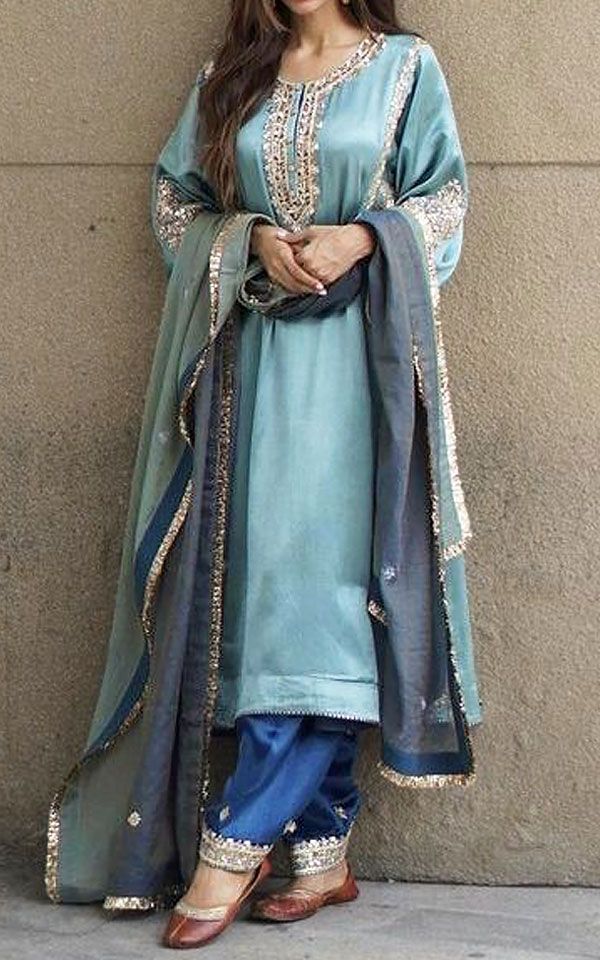
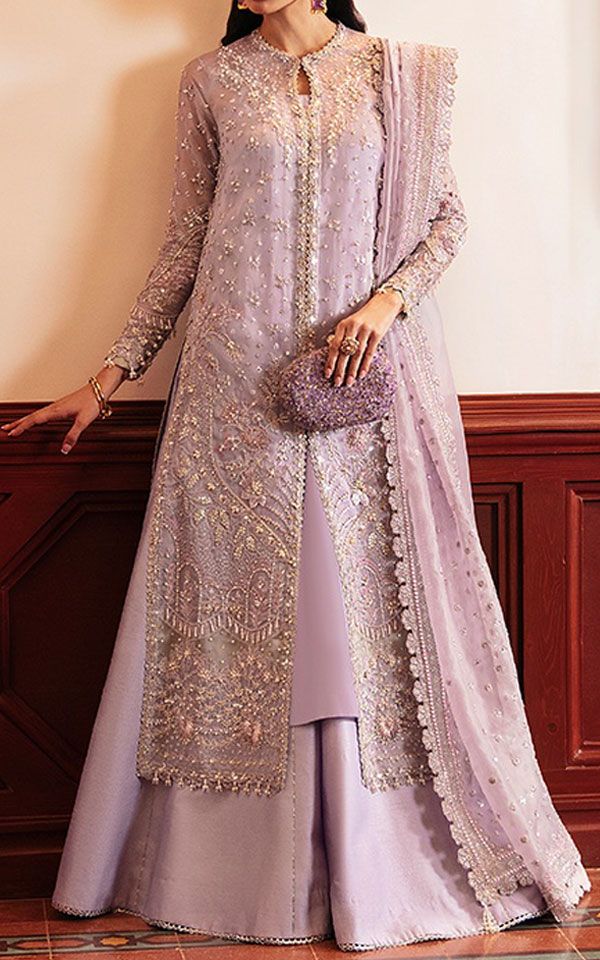
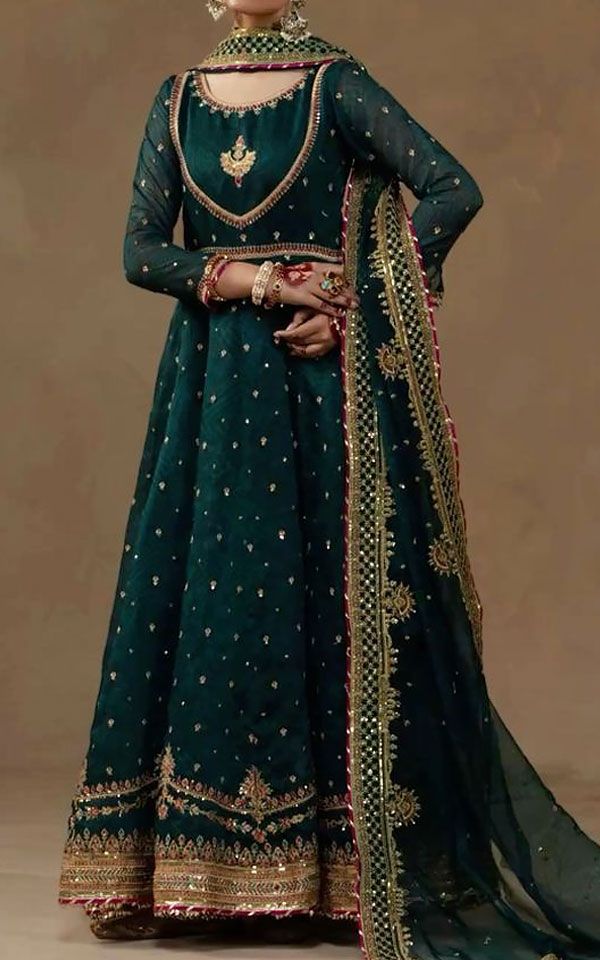
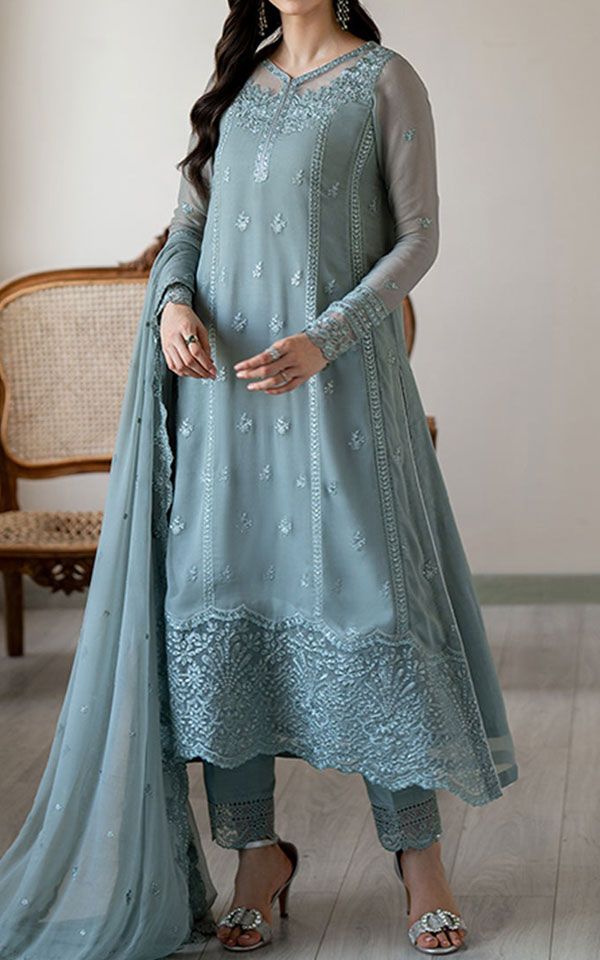
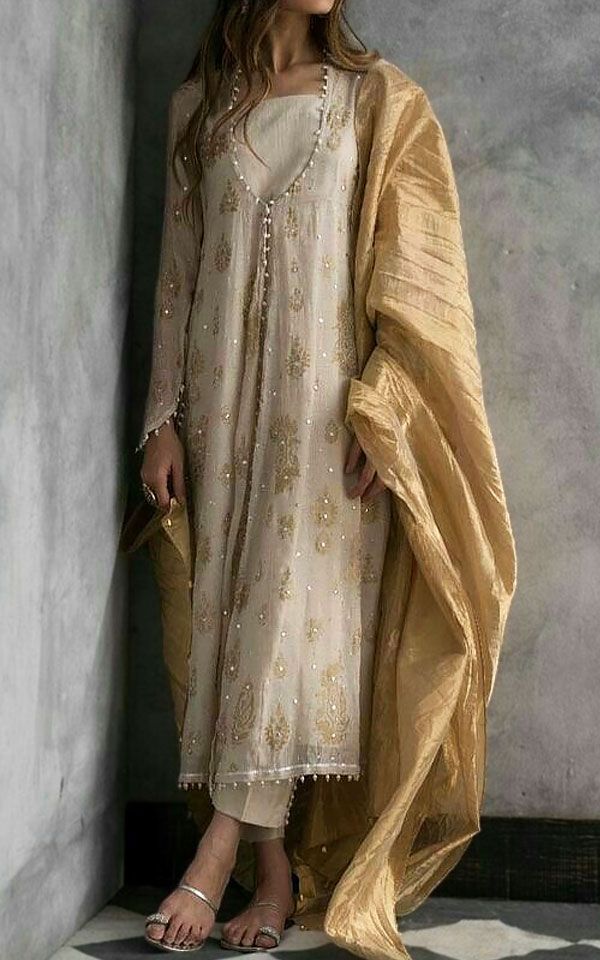
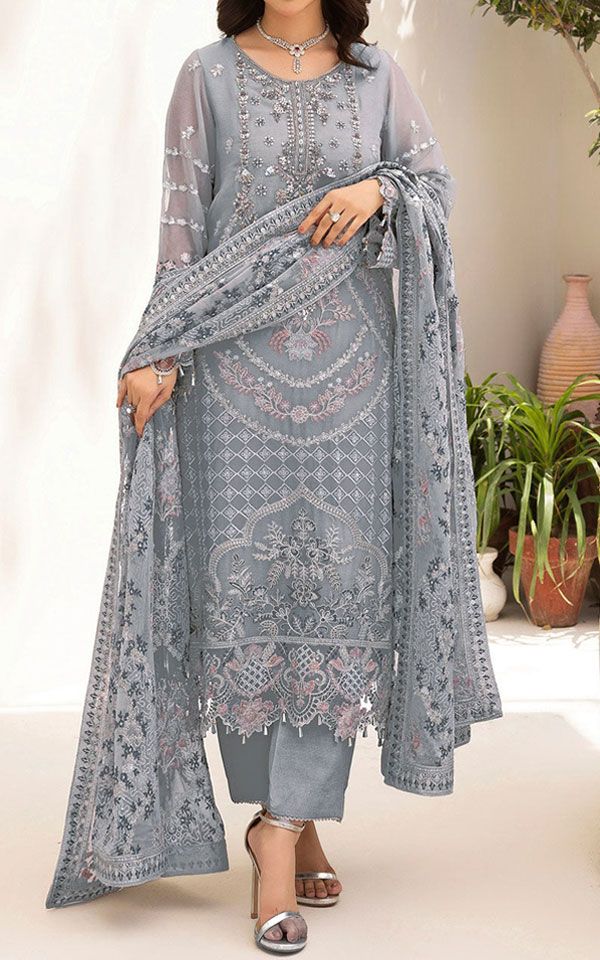
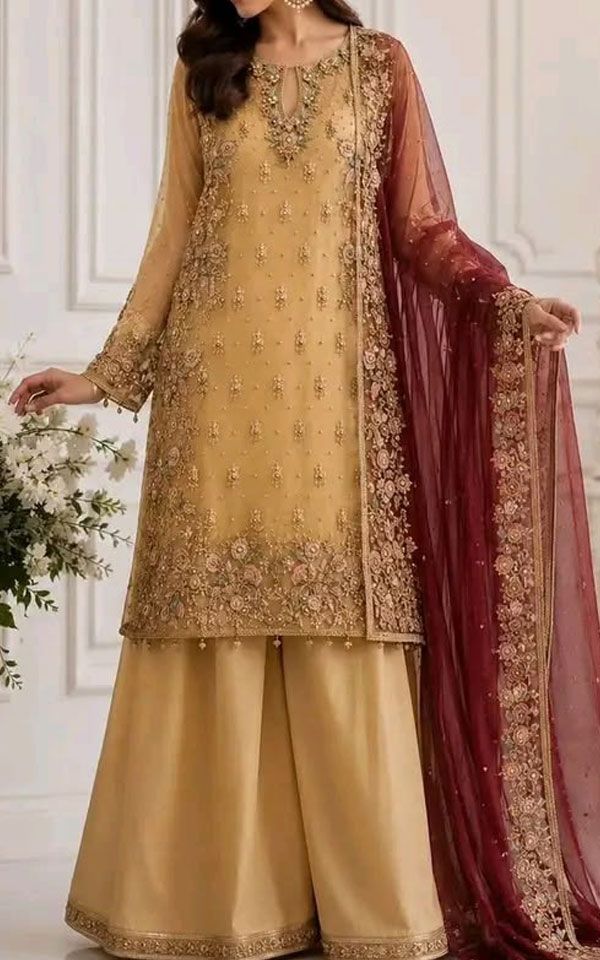
Something interesting has been happening in closets across America over the last few years. Women who once reached for the same handful of party brands are now hunting for something different, something with more personality and craftsmanship. That search keeps leading them to one place: Pakistani chiffon dresses online. And once they find them, most don't go back to their old shopping habits. If you have scrolled through Instagram lately and noticed influencers, bloggers, or even your neighbor wearing flowing, embroidered chiffon outfits with rich colors and intricate handwork, you have already spotted the trend. Pakistani fashion, once considered a niche interest for the diaspora community, has now crossed over into mainstream American fashion conversations. And chiffon, in particular, has become the fabric everyone wants to talk about. Let's dig into why this shift is happening, what makes these dresses so special, and why so many women are choosing Pakistani chiffon suits online shopping over their usual go-to brands for parties, weddings, and formal events. The Rising Popularity of Pakistani Fashion in AmericaPakistani fashion has always had a strong following within South Asian communities in the US, but something changed in recent years. Social media played a huge role here. Fashion bloggers started sharing their outfits, wedding guests posted their looks, and suddenly people outside the community started asking, "Where did you get that dress?" This curiosity opened doors. American shoppers who had never heard of brands like Sana Safinaz, Maria B, or Gul Ahmed started searching for Pakistani party dresses online in USA, and what they found surprised them. They discovered a world of fashion that felt fresh, detailed, and completely different from what local malls had to offer. Part of the appeal comes from exclusivity. Not everyone at a party is wearing the same outfit from the same three retailers. Pakistani designers work with limited stock, seasonal collections, and often one-of-a-kind embroidery patterns. That sense of individuality matters more to shoppers today than it ever did before. Another factor is craftsmanship. Handwork, mirror embellishments, thread embroidery, and delicate cutwork are common features in Pakistani formal wear, and they simply are not easy to find in mass-produced American fashion. When people wear these pieces, they get compliments, questions, and genuine admiration, and that kind of attention is hard to walk away from once you have experienced it. What Makes Chiffon the Fabric of ChoiceOut of all the fabrics used in Pakistani fashion, chiffon holds a special spot. It is lightweight, it drapes beautifully, and it moves with the body instead of against it. For anyone who has worn stiff, heavy formal dresses to events, switching to chiffon feels like a small revelation. Comfort Without CompromiseChiffon breathes well, which matters a lot for events that stretch on for hours, whether that is a wedding reception, a formal dinner, or a summer gathering. Unlike thicker fabrics that can feel suffocating after a while, chiffon lets air circulate, keeping the wearer comfortable from the first hour to the last. This comfort does not come at the cost of elegance. A well-tailored chiffon suit still looks polished, refined, and event-appropriate. It simply does not punish the wearer for wanting to enjoy the party. The Drape and MovementThere is a reason designers love working with chiffon. The fabric has a natural flow that makes even simple silhouettes look graceful. Add a flared shirt, layered dupatta, or gently gathered sleeves, and the movement becomes part of the outfit's charm. Photos taken at events often capture this best, since chiffon catches light and motion in a way that stiffer materials cannot replicate. Versatility Across SeasonsWhile chiffon is often associated with warmer months, Pakistani designers have found ways to make it work year-round. Layering with light jackets, pairing with warmer accessories, or choosing deeper jewel tones for winter events allows chiffon pieces to transition smoothly across seasons. This flexibility is part of why so many shoppers are willing to invest in a few quality pieces rather than treating them as one-season purchases.
Why American Shoppers Are Falling in Love with These DesignsBold Colors and Rich EmbellishmentsAmerican fashion, especially in formal wear, tends to lean toward safer color palettes. Black, navy, burgundy, and the occasional pastel dominate most party dress racks. Pakistani chiffon dresses break that mold completely. Think deep emerald greens, rich maroons, vibrant fuchsias, and shimmering golds, often combined in a single outfit with contrasting embroidery. This boldness appeals to women who want to stand out rather than blend in. Wearing something with this much color and detail at an American event practically guarantees attention, and for many shoppers, that is exactly the point. Attention to DetailLook closely at a Pakistani formal suit and you will likely spot hand-embroidered motifs, sequin work, delicate threadwork, or lace trims that took real time and skill to complete. This level of detail is often reserved for high-end designer wear in Western fashion, yet it shows up regularly in mid-range Pakistani chiffon suits online shopping options. That gap between quality and price point is a major reason for the growing demand. Shoppers feel like they are getting genuine craftsmanship without paying luxury designer prices. A Unique SilhouettePakistani outfits often include a shirt, trouser or shalwar, and dupatta as a coordinated set. This three-piece structure creates a completely different silhouette than typical Western party dresses. It offers coverage without feeling restrictive, and it gives shoppers styling options they simply do not get from a standard one-piece dress. Some women style the dupatta as a shawl, others drape it over one shoulder, and some skip it entirely for a more modern look. That flexibility means one outfit can be worn multiple ways, which adds even more value to the purchase. The Convenience of Shopping Pakistani Chiffon Dresses in USANot long ago, getting a genuine Pakistani outfit while living in America meant either traveling back home, asking relatives to bring outfits during visits, or relying on a handful of physical stores in cities with large South Asian populations. That has changed dramatically. Direct Access Through Online StoresToday, dozens of legitimate Pakistani fashion brands ship directly to the United States. Shoppers can browse full catalogs, check size charts, read fabric details, and place orders from their phones. This shift toward Pakistani chiffon dresses in USA availability has removed the biggest barrier that used to keep interested buyers away. Shipping times have improved too. While international shipping still takes longer than a same-day Amazon delivery, most brands now offer reasonable delivery windows, tracking information, and responsive customer service to handle any issues along the way. Easier Returns and Sizing SupportOne early concern with Pakistani formal dresses online was sizing. Many people worried that measurements would not translate well, or that dresses meant for one body type would not suit theirs. Brands have responded by offering detailed size charts, custom stitching options, and clearer measurement guides. Some retailers even offer virtual consultations or measurement assistance through customer support, which cuts down on guesswork significantly. This kind of support builds trust, and trust is what keeps shoppers coming back for repeat purchases. Price TransparencyOnline shopping also gives buyers a chance to compare prices, read reviews, and understand exactly what they are paying for before committing. Gone are the days of relying solely on word of mouth or a single boutique's limited stock. Shoppers can now weigh options across multiple brands and find something that fits both their style and their budget. Pakistani Party Dresses Online in USA: A Growing CategoryFormal events call for a certain kind of outfit, something festive, something memorable, and something that photographs well. This is exactly where Pakistani party wear shines. Occasions Where These Outfits ShineWeddings remain the most common occasion, whether it is a friend's mehndi, a formal reception, or a full wedding weekend. But the appeal has spread far beyond weddings. Eid celebrations, milestone birthdays, engagement parties, and even upscale dinner events have all become places where Pakistani chiffon and formal wear make an appearance. American shoppers attending multicultural events, whether through friendships, family connections, or personal interest in South Asian culture, often turn to these outfits specifically because they feel appropriately festive without looking like a costume. The craftsmanship speaks for itself, and it fits naturally into the celebratory mood of these gatherings.
Standing Out at Formal GatheringsThere is also a practical side to this trend. At most American formal events, dress codes tend to funnel everyone toward similar styles. Pakistani party dresses online in USA give shoppers a way to meet formal dress expectations while still expressing personal style. The result is an outfit that feels appropriate for the occasion but distinct from everyone else in the room. How to Style Pakistani Chiffon Suits for American EventsStyling plays a big role in how well these outfits translate into everyday American social settings. A few thoughtful adjustments can make these pieces feel effortlessly at home at any event. Pairing With Western AccessoriesMany stylists suggest pairing traditional chiffon suits with Western-style heels, minimalist jewelry, or a structured clutch instead of traditional accessories. This blend creates a fusion look that feels current and adaptable rather than strictly traditional. Playing With LayersFor cooler months, adding a tailored blazer or a fitted jacket over a chiffon kurta can extend the wearability of these pieces well beyond warm-weather events. This kind of layering also gives the outfit a more contemporary silhouette that fits comfortably within American formal wear norms. Simplifying the DupattaWhile the traditional dupatta drape works beautifully for cultural events, many shoppers choose to skip it or style it differently for American parties. Wrapping it as a stole, using it as a shawl, or leaving it out entirely allows the outfit to feel more versatile depending on the setting. Choosing the Right Makeup and HairSince these outfits already carry strong color and embellishment, many women pair them with simpler makeup and sleek hairstyles to let the outfit take center stage. A defined eye, a neutral lip, and a smooth bun or loose waves tend to complement chiffon formal wear particularly well. The Cultural Bridge Between Pakistan and AmericaFashion often acts as a quiet ambassador between cultures, and that is exactly what is happening here. As more Americans wear and appreciate Pakistani chiffon dresses, a genuine cultural exchange takes place. People start asking questions about the craftsmanship, the traditions behind certain embroidery styles, and the significance of particular colors or patterns. This exchange goes both ways. Pakistani designers, seeing the growing international interest, have started tailoring some of their collections with global sensibilities in mind while still keeping their cultural roots intact. The result is fashion that feels authentic yet accessible, rooted in tradition yet comfortable for a broader audience. For many second-generation Pakistani Americans, this trend also represents something personal. Seeing their heritage celebrated and appreciated by friends and colleagues outside their community brings a sense of pride that goes beyond fashion. It reflects a broader shift where cultural identity is being embraced rather than hidden. Quality Considerations When Shopping OnlineNot every online store offers the same standard of quality, so a little research goes a long way before making a purchase. Fabric AuthenticityGenuine chiffon has a distinct feel, lightweight yet slightly textured, and it should not feel overly synthetic or stiff. Reputable sellers typically describe fabric composition clearly and often provide close-up photos or videos showing how the fabric moves. Stitching and FinishingGood tailoring shows in the seams, the hemlines, and how well the embroidery sits against the fabric without puckering. Checking customer reviews and photos from actual buyers, rather than just relying on studio images, gives a much clearer picture of what to expect. Brand ReputationEstablished brands with a track record of shipping internationally and handling customer concerns professionally tend to offer a smoother experience overall. Reading reviews specifically from US-based customers can help set realistic expectations around shipping times, sizing accuracy, and product quality. Why This Trend Is Likely to Continue GrowingEvery indicator points toward continued growth for this category rather than a passing fad. Social media continues to expose more people to South Asian fashion daily. E-commerce infrastructure keeps improving, making cross-border shopping smoother and more reliable. And the growing appreciation for handcrafted, detail-oriented fashion runs counter to the mass production approach that dominates much of the Western fashion industry. Younger shoppers, in particular, tend to value uniqueness and craftsmanship over mass-market convenience. This mindset aligns naturally with what Pakistani chiffon fashion offers. As long as that preference holds strong, and current trends suggest it will, demand for Pakistani formal dresses online is likely to keep climbing.
Additionally, the increasing number of multicultural events, interfaith weddings, and diverse social circles in the United States means more people are exposed to South Asian fashion firsthand rather than just through social media. That kind of direct exposure tends to convert curiosity into genuine interest and eventual purchases. More ThoughtsPakistani chiffon dresses have moved well beyond their original audience, and it is easy to see why. The comfort of the fabric, the richness of the embroidery, the boldness of the color choices, and the improved accessibility of online shopping have all come together at the right time. American shoppers are not just buying a dress, they are buying a piece of craftsmanship, a conversation starter, and a way to stand out at events that usually reward blending in. Whether someone is attending a wedding, celebrating Eid, or simply looking for a formal outfit that feels different from the usual options, Pakistani chiffon suits online offer something genuinely special. And as online shopping continues to make these pieces more accessible than ever, it is safe to say this trend is only getting started. For anyone curious about trying this style for the first time, starting with a well-reviewed brand, checking the sizing details carefully, and choosing a color that feels personally exciting is a great way to begin. Once that first outfit arrives and gets its first round of compliments, it usually will not be the last purchase. A Few Tips for First-Time BuyersStepping into a new fashion category can feel a little overwhelming, especially when shopping across borders. A handful of practical habits can make the entire experience smoother and far less stressful. Start With a Familiar SilhouetteFor someone trying Pakistani formal wear for the first time, easing into a simpler three-piece suit rather than a heavily layered bridal-style outfit tends to work best. Simpler cuts are easier to style, easier to size correctly, and give a good sense of how the fabric and embroidery translate to everyday wear before investing in something more elaborate. Read Fabric and Care Instructions CloselyChiffon requires a bit more care than everyday cotton or polyester. Many pieces need gentle hand washing or dry cleaning, especially those with embroidery or embellishment. Reading the care label before wearing an outfit for the first time helps avoid accidental damage and keeps the piece looking fresh for future events. Ask About Custom StitchingSeveral online sellers offer the option to have a suit stitched to personal measurements rather than shipped as an unstitched or semi-stitched piece. For first-time buyers unfamiliar with international sizing charts, this option often results in a far better fit and a more satisfying overall experience. Keep an Eye on Seasonal SalesMany Pakistani fashion brands run seasonal sales around Eid, New Year, and end-of-season clearances. Timing a first purchase around one of these windows can make trying out this style more affordable, without sacrificing quality or selection. Bringing It All TogetherThe growing love for Pakistani chiffon fashion in America is not just about a fabric or a color palette. It reflects a broader shift in how people think about formal dressing altogether, valuing individuality, craftsmanship, and cultural richness over predictable, mass-produced options. As more shoppers discover this world for themselves, it is easy to imagine chiffon suits becoming a permanent fixture in American closets rather than a passing trend tied to a single season or event. Pakistani Chiffon: Craftsmanship, Bridal Style, and the Future of Global GlamThere is a reason Pakistani chiffon keeps coming up in conversations about formal fashion, and it goes deeper than just a pretty fabric trending online. Once you look past the surface appeal, you find generations of skill, a booming bridal industry, smart pricing strategies that make luxury feel reachable, and a growing global footprint that shows no signs of slowing down. This piece takes a closer look at four areas that do not get enough attention when people talk about Pakistani chiffon dresses online: the actual craftsmanship behind the embroidery, how chiffon fits into bridal fashion specifically, how brands keep this glamour affordable at different budget levels, the confidence boost that comes with wearing a well-made outfit, and where this whole movement is heading globally. The Real Craft Behind Pakistani Chiffon DressesMost people notice the finished product, the shimmer, the color, the flow, but few stop to think about the hands and hours that went into making it. Pakistani embroidery traditions run deep, and chiffon happens to be one of the best fabrics for showing them off. Traditional Embroidery Techniques Still in Use TodayTilla work, a metallic thread embroidery technique with roots going back centuries, remains a favorite for formal chiffon pieces. Artisans use gold or silver-toned thread to create raised, textured patterns that catch light beautifully against the sheer fabric. Gota work, which involves applying metallic ribbon trim in geometric or floral shapes, adds another layer of dimension without weighing the fabric down.
Resham thread embroidery, done with silk thread in vibrant colors, allows for detailed floral and paisley motifs that would look flat if stitched into a heavier fabric. Chiffon's transparency lets this thread work stand out in a way that thicker cotton or silk simply cannot match. Mirror work, tiny reflective pieces stitched into patterns, adds sparkle without needing sequins or crystals. This technique has regional roots in Sindh and Balochistan and has found its way into mainstream formal wear over the past decade, giving chiffon suits a distinct sparkle that photographs particularly well under event lighting. Hand Embroidery Versus Machine WorkNot all embroidery on Pakistani chiffon suits online shopping platforms comes from the same process. Higher-end pieces often rely on hand embroidery, where a single outfit can take anywhere from several days to a few weeks depending on the complexity of the design. Machine embroidery, by comparison, speeds up production and lowers cost, making it a common choice for more accessible price points. Both methods have their place. Hand embroidery tends to have slight irregularities that give it character and a one-of-a-kind feel, while machine embroidery offers consistency and a cleaner, more uniform finish. Knowing the difference helps shoppers understand exactly what they are paying for when comparing similar-looking suits at different price points. The Artisan Hubs Behind the ScenesCities like Lahore, Karachi, and Multan have long-standing reputations as centers for embroidery and textile work. Many family-run workshops have passed their techniques down through generations, with skills taught hands-on rather than through formal training programs. When a brand markets a piece as artisan-made, it often traces back to one of these regional hubs, where entire neighborhoods specialize in specific techniques like zardozi or aari work. This generational knowledge is part of what gives Pakistani formal wear its depth. It is not just fashion manufactured for a trend cycle, it is a continuation of craft traditions that have been refined over a very long time. Digital Printing Meets Traditional EmbroideryAlongside pure embroidery, many brands now combine digital printing with hand or machine embellishment to create layered visual effects that would be difficult to achieve through embroidery alone. A chiffon dupatta might feature a digitally printed floral base with hand-embroidered accents scattered across it, giving the piece depth without the cost of covering the entire surface in stitched work. This hybrid approach has become especially popular for mid-tier collections, since it allows brands to offer intricate-looking designs at a more accessible price than fully hand-embroidered alternatives. For shoppers, understanding this distinction helps set realistic expectations when comparing a printed-and-embellished piece to one that is embroidered throughout. Pakistani Chiffon in Bridal Fashion TrendsWhile chiffon has long been associated with everyday formal wear, its role in bridal fashion has grown substantially, particularly for pre-wedding events and lighter bridal functions. Where Chiffon Fits Into a Bridal WardrobeTraditional bridal wear in Pakistan often leans on heavier fabrics like raw silk, jamawar, or organza for the main wedding day, since these hold structure and heavy embellishment better. Chiffon, however, has carved out a strong niche for mehndi, valima, and reception events, where brides want elegance without the physical weight of a heavily structured outfit. A chiffon valima gown, for instance, allows a bride to move comfortably through hours of greeting guests, taking photos, and dancing without feeling weighed down by layers of stiff fabric. Designers have responded to this demand by creating bridal-specific chiffon pieces with heavier embellishment concentrated on the bodice or hemline, keeping the overall garment light while still making a strong visual statement. Layering Techniques for Bridal ChiffonBridal chiffon outfits often use clever layering to add volume and drama without sacrificing comfort. A chiffon pishwas, a long frock-style gown, paired with a heavily embroidered underskirt or a contrasting dupatta, creates a fuller silhouette that still moves gracefully. Cape sleeves, detachable trains, and layered dupattas have all become popular ways to add bridal grandeur to what is fundamentally a lightweight fabric. Rising Demand from Overseas BridesAmerican and British brides with Pakistani heritage increasingly turn to Pakistani formal dresses online specifically for their pre-wedding functions, even when the main wedding ceremony outfit comes from a different category of fabric. This growing demand has pushed several established bridal brands to expand their chiffon-specific bridal lines and offer international shipping tailored to wedding timelines, since brides typically need to plan and order months in advance to account for custom stitching and delivery.
Accessorizing Bridal Chiffon the Right WayBecause chiffon is lighter than traditional bridal fabrics, jewelry and accessories tend to play a bigger role in completing the overall bridal look. Statement jhumkas, layered necklaces, and hand-embellished clutches help balance the visual weight of the outfit without adding physical bulk. Many brides also opt for a heavier, more structured dupatta even when the main outfit is chiffon, since the dupatta often becomes the focal point in bridal photography. Footwear choices have shifted too, with many brides pairing chiffon bridal outfits with embellished kolhapuris or comfortable block heels rather than traditional stiff bridal sandals, prioritizing comfort during long events without sacrificing the overall aesthetic. Affordable Glamour: Chiffon for Every BudgetOne of the more practical questions shoppers ask is whether this level of detail and craftsmanship comes with a price tag that only fits a special occasion once a year. The answer depends heavily on where you shop and what tier of chiffon you are looking for. Ready-to-Wear CollectionsMost major Pakistani brands release ready-to-wear chiffon collections seasonally, and these tend to sit at the most accessible end of the pricing spectrum. These pieces usually feature machine embroidery, simpler embellishment, and standard sizing, making them a solid entry point for anyone testing out this style for the first time without a major financial commitment. Semi-Custom and Mid-Range OptionsA step above ready-to-wear, semi-custom pieces allows buyers to select fabric, color, and sometimes minor design tweaks while still working within a set collection framework. This tier often blends hand and machine embroidery, offering a noticeable jump in detail and finish without reaching designer-level pricing. Designer and Bridal-Grade PiecesAt the top end, fully custom, heavily hand-embroidered pieces from established designers command significantly higher prices, reflecting the labor-intensive process behind them. These pieces are typically reserved for major events like weddings or milestone celebrations rather than regular party wear. Making the Most of Sales and BundlesBrands frequently run promotional periods around Eid, end-of-season clearances, and new year sales, which can bring designer-adjacent pieces within reach of a broader range of budgets. Many retailers also offer unstitched fabric sets at a lower price point, allowing buyers to have the piece tailored locally rather than paying for pre-stitched international shipping, which can meaningfully reduce overall cost for anyone with access to a good local tailor. Watching Out for Hidden CostsShoppers new to ordering Pakistani Chiffon Dresses online from overseas sometimes forget to account for international shipping fees, customs duties, and currency conversion rates, all of which can add a noticeable amount to the final price. Reading a brand's shipping policy closely before checkout, and checking whether duties are included in the listed price or charged separately on delivery, helps avoid unpleasant surprises once the package arrives. Comparing a few brands side by side, including their shipping timelines and return policies, tends to reveal that the cheapest listed price is not always the best overall value once these additional costs are factored in. How Chiffon Dresses Enhance ConfidenceThere is a psychological element to dressing well that often gets overlooked in conversations about fashion trends, and it applies strongly here. The Fit FactorA well-tailored chiffon suit that actually fits the body properly changes how a person carries themselves at an event. Ill-fitting formal wear tends to make people feel self-conscious, constantly adjusting or worrying about how they look. Chiffon, when properly stitched to individual measurements, moves with the body rather than fighting it, which removes a lot of that physical discomfort and the mental distraction that comes with it. Standing Out Without Trying Too HardConfidence often comes from feeling distinct in a good way. Since Pakistani chiffon dresses in USA settings tend to look noticeably different from typical Western party wear, wearers frequently receive genuine compliments and curiosity rather than fading into the background. That kind of positive attention, even if unplanned, tends to boost how someone feels throughout an entire event.
A Connection to IdentityFor many wearers, particularly those with Pakistani or South Asian heritage, putting on a chiffon suit connects to something beyond aesthetics. It becomes a way of carrying culture and identity into spaces where that heritage might otherwise go unnoticed. That sense of representation, of wearing something meaningful rather than generic, often translates into a quiet but noticeable boost in self-assurance. The Role of Color in MoodColor psychology plays a role here too. Pakistani chiffon collections often lean into rich, saturated tones, deep reds, emerald greens, royal blues, that are known to project confidence and energy. Choosing a bold shade rather than a safe neutral can shift how a person feels the moment they put the outfit on, well before anyone else even sees it. Compliments as a Feedback LoopThere is also a simple, repeatable pattern worth noting. Once someone wears a distinctive chiffon outfit to an event and receives genuine compliments, they tend to seek out that feeling again. This creates a kind of feedback loop where positive social reinforcement encourages repeat purchases and a growing personal collection. Many shoppers who buy Pakistani party dresses online in USA describe this exact pattern, starting with one outfit for a single event and gradually building a rotation of pieces for different occasions once they experience how it feels to wear something distinctive. The Future of Pakistani Chiffon in Global GlamLooking beyond the current wave of popularity in the US and UK, there are clear signs that Pakistani chiffon fashion is positioning itself for a much broader global presence. Expanding Beyond the Diaspora MarketWhile the initial international demand came largely from Pakistani communities abroad, brands are increasingly marketing toward a wider, non-diaspora audience. Packaging, website design, and marketing language have shifted to appeal to general fashion audiences rather than assuming every buyer already understands the cultural context, which naturally widens the customer base over time. Runway and Fashion Week PresencePakistani designers have started showing up more frequently at international fashion weeks and collaborative showcases, giving chiffon-heavy collections exposure on stages that reach far beyond South Asian fashion media. This kind of visibility tends to have a ripple effect, influencing mainstream fashion coverage and, eventually, retail demand in markets that previously had little exposure to this style. A Younger Generation of DesignersA new wave of designers, many trained internationally but rooted in Pakistani textile traditions, are experimenting with fusion silhouettes that blend Western tailoring with traditional embroidery techniques. This generational shift is likely to keep chiffon fashion evolving rather than staying frozen in one aesthetic, which helps it stay relevant to younger shoppers looking for something that feels both rooted and current. Sustainability Conversations Entering the PictureAs global fashion increasingly grapples with sustainability concerns, some Pakistani brands have started highlighting handcrafted, made-to-order production as a more sustainable alternative to fast fashion. Since much of this embroidery work is inherently slow and skill-based rather than mass-produced on an assembly line, it aligns naturally with growing consumer interest in slower, more intentional fashion choices. Technology Making Global Access EasierImprovements in e-commerce logistics, virtual try-on tools, and more responsive customer service are steadily closing the gap between shopping locally and shopping internationally. As this infrastructure continues to mature, expect Pakistani Chiffon Suits online shopping to become just as seamless as ordering from any well-known domestic retailer, regardless of which country the buyer is in. Cross-Border Collaborations on the RiseAnother sign of where this industry is headed is the growing number of collaborations between Pakistani designers and international stylists, photographers, and even retail platforms based outside South Asia. These partnerships introduce chiffon collections to entirely new audiences through channels that would never have featured this kind of fashion a decade ago. As these collaborations become more common, the line between a niche cultural fashion category and mainstream global formal wear continues to blur, which only strengthens the long-term outlook for this industry.
Final ThoughtsThe story of Pakistani chiffon fashion is bigger than a single trend cycle. It is built on centuries-old embroidery traditions, a thriving and evolving bridal fashion niche, pricing structures that welcome shoppers at nearly every budget level, a genuine confidence boost for wearers, and a trajectory that points well beyond its current markets. As craftsmanship meets improved global accessibility, this fashion movement looks less like a passing moment and more like a lasting shift in how people around the world think about formal and celebratory dressing. For shoppers exploring Pakistani formal dresses online for the first time, understanding these layers, the artisan skill behind the embroidery, the specific role chiffon plays in bridal wardrobes, the range of pricing tiers available, and the personal confidence that comes from wearing something distinctive, makes the shopping experience far more rewarding than simply browsing for a pretty dress. It becomes a genuine appreciation for a craft and culture that continues to earn its growing place on the global fashion stage. |
| ||||||||||||